Search Results
14 results for “fold cat ear cleaning”

How to Tell If Your Cat Has Ear Mites
Ear mites cause intense itching, brown flaky earwax, foul odor, and head-shaking in cats. Confirm by checking the ears, then clean with an ear solution, apply miticide drops, and deworm the whole body. Regular checks and a clean, sunny environment prevent recurrence.
How Often Should a Scottish Fold’s Ears Be Cleaned?
Clean a Scottish Fold's ears about once a week. Check them often, since their ears are special and the canal hidden, easily trapping dirt and hiding problems. Keep the home, especially the cat's areas, clean and disinfected.
How often should a kitten’s ears be cleaned?
Normally clean a cat's ears once a week; for Scottish Fold, every 3 to 4 days. Little discharge needs no cleaning, as some wax protects; over-cleaning harms. With ear mites, clean daily and medicate, and boost nutrition.

What Causes Periodontitis in Cats?
Poor oral hygiene and a wet-food diet are the main drivers of feline periodontitis: leftover food turns into plaque and tartar that inflame the gum and deeper tissues. Brush regularly, feed tooth-friendly dry food, and for mild cases try at-home care such as saline rinses and an antibacterial oral spray.
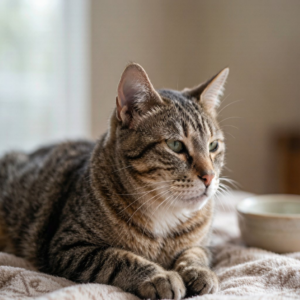
Why Does My Cat Always Lie Down? Understanding Feline Arthritis
If your cat spends most of its time lying down, walks with a limp, or refuses to be touched on the hind legs, it may be suffering from arthritis—a condition that affects up to 90% of cats as they age. Arthritis is the inflammation and degeneration of joint cartilage, most often secondary (degenerative) arthritis, which worsens as cats grow older. Cats are masters at hiding pain, so signs like reluctance to jump, reduced grooming, increased sleeping, and irritability can easily go unnoticed. Causes include aging, genetics, obesity, injury, and acromegaly. Treatment combines veterinarian-supervised medication (NSAIDs such as meloxicam), weight management with omega-3 and glucosamine supplements, and environmental adjustments like steps and soft bedding. Prevention starts with a healthy diet and keeping your cat lean.

Dermatophytosis (Ringworm) in Dogs and Cats: Symptoms, Treatment, and Prevention
Dermatophytosis is infection by keratin-loving dermatophytes (Trichophyton, Microsporum, Epidermophyton) that invade the skin, hair, and nails of people and animals; it is commonly called 'ringworm.'

How to Choose a Cat and Care for It Properly
Getting a cat means treating her as a family member and raising her kindly for a happy life. Before deciding which cat suits you, learn about cat types and costs to avoid abandonment caused by a poor match or unaffordable expenses.

How to Clear Cat Ear Mites Quickly
Ear mites spread cat-to-cat and thrive in unclean, damp ears. Clear them with daily ear cleaning plus a topical dewormer, support the cat's nutrition, and disinfect the home. Consistency — not one-off treatment — is what works.
What happens if a Teddy has a rectal prolapse?
Prolapse means rectal tissue sticks out of the anus, causing difficult defecation, infection, anemia, poor appetite. Mild cases can be reduced at home after cleaning with potassium permanganate; severe cases need a vet.

Rough Collie
The Rough Collie, also called the Collie, originated in Britain and was made famous by Queen Victoria and the film 'Lassie'. Spiritual and understanding, it is a smart, gentle herding and companion dog known as a lifelong star companion.