Search Results
32 results for “fold cat diet”
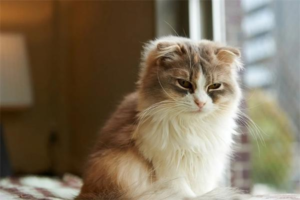
Diet Tips to Support Joint Health in Scottish Fold Cats
Scottish Fold cats carry a genetic cartilage disorder with no cure, so diet focuses on joint support: chondroitin and glucosamine to aid joint fluid, omega-3s to curb inflammation, vitamin D for bones, and balanced food with lean boiled meats. Keep salt low, calcium moderate, and weight controlled.
Why should you not supplement calcium for a Scottish Fold cat?
Do not freely add calcium; Scottish Folds have cartilage dysplasia in the tail, ankles, and knees, and extra calcium speeds cartilage calcification, triggering or worsening disease. You may add chondroitin; do not lower dietary calcium, just feed normal food.

Things to Know When Caring for a Scottish Fold
Scottish Folds adapt well but need humidity around 50 to 60 percent, since too much moisture invites skin disease. Their stomachs are also delicate, so stick to one cat food brand. Here are the main points of Scottish Fold care.
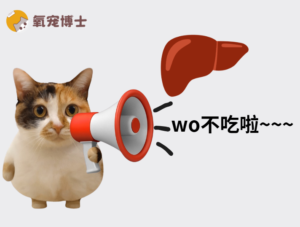
Feeding Your Cat Chicken Liver? Watch Out for Vitamin A Toxicity
Vitamin A is vital for cats but fat-soluble, so excess is stored and builds up to toxic levels — usually from too much liver or stacked supplements. Chronic toxicity causes stiff gait, joint pain, dry skin, coat loss, and gut upset, and the bone damage can be permanent. Feed liver only as an occasional treat and rely on a balanced AAFCO/FEDIAF complete food.

Early Signs of Osteochondrodysplasia in Scottish Fold Cats
Scottish Folds carry a genetic cartilage disorder (OCD); early signs include growing laziness, a stiff tail that won't bend or swish, odd hind-leg posture, long sits in strange poses, mood changes, and joint pain on touch (especially hind legs). There's no cure, but early care helps: vet checks, anti-inflammatory pain meds plus chondroitin/glucosamine/vitamin D, weight control, gentle exercise, and Omega-3. Any Fold will develop it — just at different ages and severity — so think carefully before breeding or buying.

What Causes Periodontitis in Cats?
Poor oral hygiene and a wet-food diet are the main drivers of feline periodontitis: leftover food turns into plaque and tartar that inflame the gum and deeper tissues. Brush regularly, feed tooth-friendly dry food, and for mild cases try at-home care such as saline rinses and an antibacterial oral spray.

How Long Do Scottish Fold Cats Live?
Scottish Fold cats typically live 10–15 years—shorter than many breeds—because they are born with osteochondrodysplasia, an inherited cartilage and bone disorder that causes pain in the tail, ankles, and knees and can appear as early as 2–6 months. Their weaker constitution also makes them prone to skin disease, respiratory illness, and heart problems, so regular vet checks, weight control, and joint-support supplements help extend their lifespan.
Diet Tips for Caring for a Scottish Fold
The Scottish Fold wins fans with its uniquely curled ears, but those same ears demand gentle handling and the breed has its own feeding needs. Beyond the signature look, these cats are fastidious and benefit from a thoughtful diet. From liver for vitamin A to controlled high-fat food during shedding and plain boiled fish broth, here is what to know about feeding a Scottish Fold well.
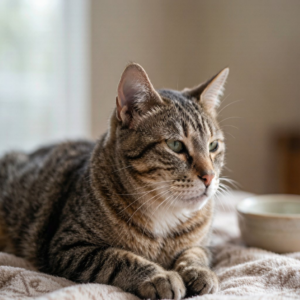
Why Does My Cat Always Lie Down? Understanding Feline Arthritis
If your cat spends most of its time lying down, walks with a limp, or refuses to be touched on the hind legs, it may be suffering from arthritis—a condition that affects up to 90% of cats as they age. Arthritis is the inflammation and degeneration of joint cartilage, most often secondary (degenerative) arthritis, which worsens as cats grow older. Cats are masters at hiding pain, so signs like reluctance to jump, reduced grooming, increased sleeping, and irritability can easily go unnoticed. Causes include aging, genetics, obesity, injury, and acromegaly. Treatment combines veterinarian-supervised medication (NSAIDs such as meloxicam), weight management with omega-3 and glucosamine supplements, and environmental adjustments like steps and soft bedding. Prevention starts with a healthy diet and keeping your cat lean.

Obesity in Dogs and Cats
Obesity is an excess of body fat that develops when energy intake consistently exceeds expenditure. It is common in pets fed too much, exercised too little, or affected by endocrine disease, and it predisposes to heart disease, diabetes and a shorter life.