Search Results
265 results for “fluid therapy”
How long does it take to cure coccidiosis in a puppy?
With active treatment, puppy coccidiosis generally recovers in about a week. Severe vomiting or diarrhea needs fluid therapy to prevent dehydration, plus 5 days of coccidia-specific medicine.
How long can a cat with late-stage chronic kidney disease live?
Survival with late-stage feline CKD depends on how well the disease is controlled. Fluid therapy, monitoring and regular rechecks are essential.
How Is Canine Parvovirus Treated?
Parvo treatment includes immune serum, fluid therapy, antibiotics, anti-vomiting, anti-shock care and supportive nursing. Early serum plus antibiotics works well, but avoid long-term antibiotic use. Vomiting and diarrhea require fluids to prevent dehydration.

Why Cats Develop Uremia (and How to Prevent It)
Uremia occurs when kidney damage stops a cat from clearing waste and toxins, which then build up and harm the body. Causes include age-related decline, unbalanced nutrition, and low water intake, while other illnesses can also damage the kidneys. Watch for changes in urination frequency and volume, dark or cloudy urine, and appetite loss, weight drop, vomiting, or dehydration. Prevention centers on high-quality food, plenty of fresh water, a clean environment, and regular checkups and vaccinations; treatment involves medication, fluid therapy, and nutritional support.
Dog Enteritis Causing Bloody Vomit: What to Do
Bloody vomiting and stool from dog enteritis has two main causes. Infectious (contagious) enteritis needs immediate isolation and clinic treatment—it is highly contagious and requires targeted medication, with a course of about 7–14 days. The gastroenteritis type has a lower death rate, a 3–5 day course, and is treated with fluid therapy and symptomatic care.
What causes a cat to pass blood in its stool?
Blood in a cat's stool can come from acute gastroenteritis, panleukopenia (feline distemper), or a parasite infection, and only screening confirms which. Get a vet work-up - blood count, distemper antigen, fecal exam - then treat the cause: gastroenteritis or distemper usually needs fluid therapy, while parasites are handled by deworming.

Hemorrhagic Gastroenteritis Syndrome in Dogs and Cats
Hemorrhagic gastroenteritis syndrome is a sudden, cause-unknown condition in dogs marked by acute vomiting and severe bloody, jelly-like diarrhea. Affected animals become depressed, feverish, and dehydrated; prompt fluid therapy and supportive care are essential.
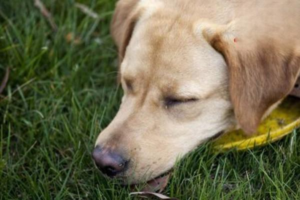
Symptoms and Treatment of Mushroom Poisoning in Dogs
Dog mushroom poisoning occurs from ingesting toxic mushrooms. But not all mushrooms are poisonous. Each toxic mushroom causes different symptoms. Poisonous mushrooms are divided into four major categories by clinical symptoms, or seven categories by the toxins they contain. Onset of symptoms can occur minutes to hours after ingestion and can affect any part of the body.

What Is Dog Kidney Failure? Symptoms and Treatment
Dog kidney failure is a common disease, but if a dog develops kidney failure and is not treated promptly, it can lead to more serious illness. Let's discuss what dog kidney failure is and its symptoms and treatments.

The Dangers of Canine Parvovirus (CPV)
Any dog owner has heard of canine parvovirus with dread, but how much do you know? It's one of the most severe contagious diseases of dogs!