Search Results
121 results for “flea treatment cat”

What to Do If Your Cat Licks Topical Flea Treatment
If a cat licks a topical spot-on, stay calm because the dose is usually low and the product mildly toxic. Rinse the mouth, fit an Elizabethan collar, watch for vomiting or seizures, and see a vet if symptoms appear; apply the product to the neck and use a collar for 2 to 3 days.
What to Keep in Mind When Using Topical Flea and Tick Treatment on Cats
Cats can pick up external parasites at any time of year, so regular preventive treatment matters. Topical products come as sprays or spot-on drops, and their coverage depends on the active ingredient, so the right choice depends on your cat's lifestyle and the parasites it faces. Apply spots along the spine, dose by weight, avoid bathing for a few days, and use an Elizabethan collar to prevent licking. Kittens can start around two months old with monthly treatment; adults need it every one to three months, more often in warm seasons or for outdoor cats. Never use dog-only products containing permethrin on cats.

Flea Infestation in Dogs and Cats: Symptoms, Treatment, and Prevention
Fleas are blood-feeding insects that cause itchy dermatitis in dogs and cats and can transmit tapeworms and other diseases. Control requires treating the pet, the home, and all in-contact animals with veterinary-directed parasiticides.
What happens after my cat gets a topical flea and tick treatment?
After a topical parasite treatment, the active ingredient sinks into the skin and starts killing fleas, ticks, and mites; you may see dead parasites drop off, and any itchiness, redness, or hair loss from bites should ease. Some products can irritate the skin or cause a reaction, which is usually mild and self-resolving, but see a vet if it's severe.
Removing Fleas from Your Cat: Bathing, Combing, and Home Treatments
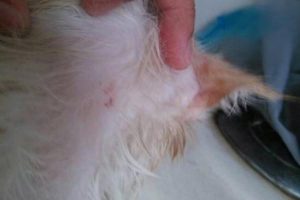
Fleas thrive in a cat's thick coat and can cause itching, skin damage, and disease. Combing, bathing with a flea shampoo, medicated dips, and a clean environment are the most reliable ways to clear them. A consistent preventative routine keeps them from coming back.
My cat has black grain-like specks on top of its head, about 1 mm
Black grain-like bumps on a cat's head have several causes; the photo is unclear, so causes may include skin parasites (fleas, ticks), sebaceous cysts, prior skin disease, or debris like dirt. A vet can diagnose via exam and skin scraping; treatment may be antiparasitics, cleaning, or anti-inflammatories.
My underweight kitten got ringworm; a flea spray was mistakenly applied and made the skin red with hair loss and scabs returning-what should I do?
If a cat's ringworm worsens after using a flea spray, the spray's ingredients may have irritated or allergic the skin. Stop using it immediately and take the cat to a vet. Use a safe topical spot-on for fleas rather than a spray, and treat ringworm with antifungal medication.
My cat’s skin has bald spots, and some red areas that haven’t lost fur
Bald patches with redness but not all red areas bare could be: 1. fungal infection like ringworm (head, ears, limbs); 2. allergies (food, environment, contact) causing red, itchy skin and some hair loss; 3. parasites (fleas, ear mites, scabies) causing itch and hair loss; 4. skin inflammation like eczema or infection with red, itchy skin not always losing fur. See a vet for scraping and correct treatment.

What Are the Symptoms and Causes of Cat Allergies?
Cat allergies usually cause intense itching and skin damage, plus redness, swelling, and sometimes sneezing or even anaphylactic shock. Common triggers are food, drugs, parasite saliva (fleas, mites), and airborne allergens like pollen and dust. Find and remove the cause, and see a vet for severe reactions.

Common Causes and Treatments of Cat Allergies
The main cat allergy types are flea, food, inhalant, and contact allergies, each with different signs and treatment — so finding the allergen is the key. Flea allergy needs deworming plus corticosteroids; food allergy needs a hypoallergenic trial; inhalant allergy uses steroids, antihistamines, or antigen shots under a vet's care.