Search Results
23 results for “flea shampoo”

How to Remove Fleas From a 1.5-Month-Old Cat
A young kitten's fleas are best handled with a vet-approved topical drop, a fine comb, and a clean home. Disinfect the environment and keep up prevention so they do not return.

How to Get Rid of Fleas on Your Dog: A Step-by-Step Guide
Fleas breed fast, so removal takes persistence: spot them early, use a spray and medicated bath, wash the dog's belongings, and vacuum daily to starve the eggs hiding in your home.

How to Get Rid of Fleas on Your Cat
Fleas show up as black specks in the coat, red skin, and constant scratching. Clear them with good hygiene, a flea shampoo or topical treatment, and a clean home — plus the usual folk rinses. Regular deworming and a tidy space prevent them returning.
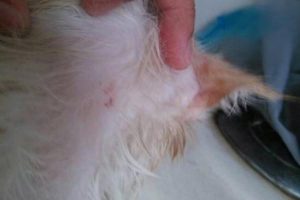
Removing Fleas from Your Cat: Bathing, Combing, and Home Treatments
Fleas thrive in a cat's thick coat and can cause itching, skin damage, and disease. Combing, bathing with a flea shampoo, medicated dips, and a clean environment are the most reliable ways to clear them. A consistent preventative routine keeps them from coming back.

How to Get Rid of Fleas on Your Cat Fast
The fastest fix for cat fleas is a topical spot-on treatment, but combing, medicated baths, and a clean home all help. Treat the environment too, or fleas simply return within days.

Parasites on Stray Cats: What to Do
Strays, with weaker immunity, often carry both internal parasites (roundworms, coccidia, hookworms, toxoplasma) and external ones (fleas). Signs include diarrhea and fever; treat with combing, a flea shampoo, and broad-spectrum dewormers, then keep the coat dry and watch for post-treatment upset.
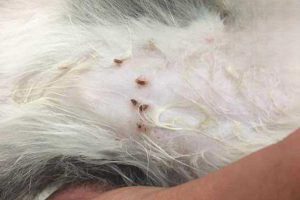
What to Do About Black Bugs on Your Cat
The small black bugs crawling through a cat's coat are usually fleas. A heavy flea burden causes anemia, spreads internal parasites and triggers allergic skin disease, so treat the cat and its home together. Regular topical prevention keeps fleas and other external parasites away.
Keeping Your Dog Free of Skin Problems in Summer
Summer's heat and humidity breed bacteria and parasites, so skin trouble spikes. Bathe and dry the coat with a pet shampoo, avoid strong midday sun to prevent burns, and keep the living space clean and dry. Use a monthly topical preventive with selamectin or fipronil to block fleas, lice, mites and ticks, and feed vitamins and protein to lift immunity. See a vet for itching, hair loss or rashes.
Does a Scratching Cat Always Have Parasites?
A scratching cat doesn't automatically have worms. Itching can come from parasites, but also from skin disease, allergies, dry skin, or even stress. Anxious cats may over-groom until they damage their own skin, creating a vicious itch cycle. If scratching continues after a dewormer, or comes with hair loss, redness, bumps, ulcers, or heavy scaling, it's time for a veterinary check rather than more flea treatment.
Why Does Your Dog Have White Dandruff
Some white flakes are normal daily skin turnover, but heavy dandruff with itching, hair loss, bumps, or redness signals a problem: dry skin, fungal or bacterial infection, parasites, allergies, poor nutrition, or over-bathing. Keep the skin moisturized, bathe gently no more than weekly, deworm on schedule, and improve the diet with fatty acids and vitamins. Persistent or worsening flakes need a vet skin scrape to diagnose and treat.