Search Results
24 results for “flea dirt”
I just found black specks on my cat that turn red when rubbed — likely flea dirt. What should I do when holding him?
Fleas spread through the home via the cat. Treat the cat with a fipronil-based flea product and disinfect the environment. If you handled the cat, wash with warm water and soap to remove fleas.
Everyday Flea Prevention and Care for Cat Households
Spring and summer are peak parasite season, and fleas are a common nuisance for cat owners. A cat that scratches constantly may have fleas, mites, allergies, or ringworm — confirm with a Wood's lamp, hair exam, or the classic 'damp tissue test' where flea dirt turns red. These tiny jumpers can produce 250,000 offspring a month, so prevention matters: vacuum cracks and gaps, comb with a flea comb twice weekly, hot-wash bedding, and keep the home dry (fleas like 18–27°C, ~75% humidity). If infected, use monthly topical prevention, treat inflamed skin, and watch for tapeworms passed via fleas.

Flea Infestation in Dogs and Cats: Symptoms, Treatment, and Prevention
Fleas are blood-feeding insects that cause itchy dermatitis in dogs and cats and can transmit tapeworms and other diseases. Control requires treating the pet, the home, and all in-contact animals with veterinary-directed parasiticides.

How to Get Rid of Fleas on Your Dog: A Step-by-Step Guide
Fleas breed fast, so removal takes persistence: spot them early, use a spray and medicated bath, wash the dog's belongings, and vacuum daily to starve the eggs hiding in your home.

Can an Indoor Cat Still Get Fleas?
Yes—fleas can reach an indoor cat through a contaminated home or other animals, and owners can carry flea eggs in on shoes and clothes. Prevent with regular deworming and a clean environment; treat infestations with a medicated bath plus thorough home cleaning.
How to Tell If Your Cat Has Parasites
Kittens often get parasites from mother's milk; adults pick up eggs or infected prey. Knowing the warning signs lets you act early. External parasites are visible: itching, hair loss, lice clinging to skin, white flea eggs, and black specks (flea dirt) that turn red in water—which also hints at tapeworm, since fleas host it. Internal parasites show as dull coat, pale gums (anemia), tarry stool, vomiting, appetite loss, swollen belly, lethargy, or visible worms/segments in stool. See an online vet or clinic for a test.

Black Specks in Your Cat’s Fur: What They Mean
Tiny black specks hidden in your cat's coat are most often flea dirt, but they can also signal ringworm or another external parasite. The quick paper test — a damp tissue turning reddish-brown — confirms flea waste. Routine parasite control and a clean, dry environment are the best defenses.
Before bathing my cat I noticed small black spots on its tail. What are these?
Black specks on a cat's tail are often flea dirt. Drop one in water—if it turns reddish, it is flea feces made from digested blood. Treat with a topical flea product and also disinfect the cat's environment to stop re-infestation.
Why Your Dog Sheds and Stays Thin
Shedding plus failure to gain weight often points to parasites. Black specks in the coat mean fleas and call for external deworming; eating well but staying thin suggests internal parasites; scratching, scooting, mite-related patchy loss, or worms in stool all signal infestation. Puppies need deworming from 40 days, adults every three months, and more often if exposed.
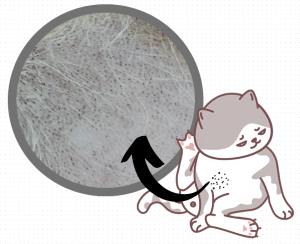
Black Dots on Your Cat’s Skin: Folliculitis, or ‘Black Chin’ and ‘Stud Tail’
Black dots on a cat's skin are usually the early sign of folliculitis, like blackheads, driven by excess sebum, blocked follicles, and bacterial infection. On the chin it is called black chin, and on the tail stud tail or oily tail, both managed with gentle localized cleaning and diet adjustments.