Search Results
203 results for “flea and tick”

Do Cats Need Deworming in Winter?
Parasites stay active even in winter, so year-round deworming matters. Fleas, ticks, heartworm, and intestinal worms can all affect cats during the cold months, and several safe topical and systemic products are available.

How to Avoid Buying a Sick ‘Week Cat’ (Kitten That Dies Within Days)
Today: 'week cats' - kittens that die days after coming home. What is behind it, and how to avoid buying one?

How to Use Revolution (Selamectin) on Cats
Dog flea or tick products are not recommended for cats, because certain ingredients are toxic to cats. However, the product Dog Revolution (selamectin) is safe for cats if the dose is appropriate. This article explains how to use the dog-strength product on cats to save money.

How to Prevent Parasites in Dogs
A parasite is an organism that lives in another organism, called the host. The dog is a host for parasites. Often, the parasite needs the dog's body to survive and can harm the dog.

Essential Dog Deworming: What Every Owner Should Know
Regular deworming protects dogs from internal and external parasites, even indoor pets, since owners can carry eggs home. Puppies start around eight weeks, adults every three months, and product choice should match lifestyle and veterinary advice.

Illnesses Dogs Are Prone to in Autumn
Autumn's temperature swings put dogs at risk for colds, diarrhea, kennel cough, and parasites. Warmth, a steady diet, good ventilation, and on-time parasite control keep them safe.

How to Deworm a Teddy (Toy Poodle)
Teddies need monthly parasite control—one internal and one external treatment—with the product chosen by season and risk. Dogs that roam grass in summer need tick protection, while a standard flea drop and a broad-spectrum tablet cover most everyday needs.

Common Parasites That Affect Dogs
Dog parasites split into internal, living in the gut, and external, on the skin. Roundworms, hookworms, heartworm, and tapeworms live inside; mange mites, ticks, and fleas live on the surface, and each brings its own risk.
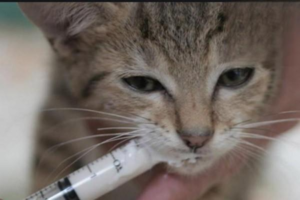
How Long After Deworming Can I Bathe My Cat?
Wait 1–2 weeks after deworming before bathing, or the product's effect weakens. Cats self-clean well, so bathe rarely; too often lowers skin resistance. An ivermectin-based topical covers most external and some internal parasites.

Does a Kitten Need Deworming?
Kittens do need deworming, but wait until about 2.5–3 months old unless a vet advises earlier. Parasites pass through the mother, food, and contact, so a post-weaning kitten exploring the world is at real risk. Use a broad-spectrum product and keep up monthly external protection.