Search Results
29 results for “flea allergy”
Everyday Flea Prevention and Care for Cat Households
Spring and summer are peak parasite season, and fleas are a common nuisance for cat owners. A cat that scratches constantly may have fleas, mites, allergies, or ringworm — confirm with a Wood's lamp, hair exam, or the classic 'damp tissue test' where flea dirt turns red. These tiny jumpers can produce 250,000 offspring a month, so prevention matters: vacuum cracks and gaps, comb with a flea comb twice weekly, hot-wash bedding, and keep the home dry (fleas like 18–27°C, ~75% humidity). If infected, use monthly topical prevention, treat inflamed skin, and watch for tapeworms passed via fleas.

Flea Infestation in Dogs and Cats: Symptoms, Treatment, and Prevention
Fleas are blood-feeding insects that cause itchy dermatitis in dogs and cats and can transmit tapeworms and other diseases. Control requires treating the pet, the home, and all in-contact animals with veterinary-directed parasiticides.
What happens after my cat gets a topical flea and tick treatment?
After a topical parasite treatment, the active ingredient sinks into the skin and starts killing fleas, ticks, and mites; you may see dead parasites drop off, and any itchiness, redness, or hair loss from bites should ease. Some products can irritate the skin or cause a reaction, which is usually mild and self-resolving, but see a vet if it's severe.
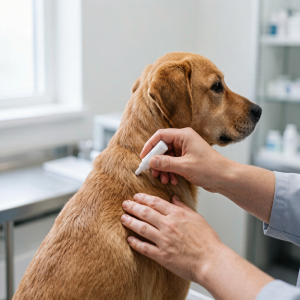
What to Know About Flea Prevention for Pets
Fleas harm not only pets but the whole household. Few things ruin summer fun like these tiny, nearly invisible parasites that plague pets and their owners.

How to Remove Fleas from Your Cat
Not seeing fleas does not mean they are gone; eggs may hide in the coat. Watch for constant licking, restlessness, and anemia, then treat with monthly parasite control, daily vacuuming, and hot-washed bedding.

What to Do When Your Dog Has Fleas
Fleas are blood-sucking external parasites that itch and can spread disease. Without preventive care dogs pick them up easily from corners they love to explore. Treat the dog, clean the home, and stay on a deworming schedule.

How to Get Rid of Fleas on Your Dog: Effective Removal Methods
Fleas are blood-feeding external parasites that make dogs itch, damage the skin, and can spread other infections. Effective removal means treating the dog, disinfecting the home, and repeating the process because flea eggs are hard to kill and resist a single treatment.
Why Does My Cat Still Itch After Deworming?
A cat that keeps scratching after a dewormer isn't necessarily proof the product failed. Dewormers kill parasites but not skin problems, and the wrong product, wrong application, or an untreated home can all leave itching in place. Flea-allergy dermatitis, mites, dry skin, and stress can itch too. Mild scratching for a day or two may just need patience; anything longer with skin damage needs a vet.

Canine and Feline Seborrheic Dermatitis: Symptoms, Treatment, and Prevention
Seborrheic dermatitis is a disorder of skin lipid metabolism in dogs and cats, producing dry scales, greasy sebum buildup, or inflamed crusted skin. It may be primary (often hereditary) or secondary to parasites, infection, or endocrine disease such as hypothyroidism.
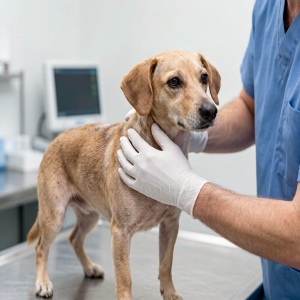
What to Do When Your Dog Is Losing Hair
Hair loss is the shedding of fur. In dogs it may be a follicle disease from self-trauma by scratching or chewing.