Search Results
11 results for “flea allergy dermatitis”
Choosing the Right Skin Spray for Cat Fungal and Bacterial Dermatitis
Cat skin problems such as ringworm, allergic dermatitis, and mite infestations share overlapping signs—hair loss, itching, scaling—which makes guessing the right treatment risky. Using a product aimed at only one pathogen often fails when the real cause is different, leading to repeated flare-ups and irritated skin. A well-designed pet skin spray should offer broad-spectrum activity against both fungi and bacteria, penetrate the skin surface to reach deeper infection, and support barrier repair so problems stop recurring. This guide explains the main types of cat skin disease, why a penetrating broad-spectrum formula works better, the safety and ingredient features to look for, and why a veterinary diagnosis should come before you reach for any spray.

Canine and Feline Seborrheic Dermatitis: Symptoms, Treatment, and Prevention
Seborrheic dermatitis is a disorder of skin lipid metabolism in dogs and cats, producing dry scales, greasy sebum buildup, or inflamed crusted skin. It may be primary (often hereditary) or secondary to parasites, infection, or endocrine disease such as hypothyroidism.

Canine and Feline Atopic (Allergic) Dermatitis: Symptoms, Treatment, and Prevention
Atopic dermatitis, also called allergic dermatitis, is an IgE-mediated skin hypersensitivity in dogs and cats, marked by intense itching, redness, and hair loss that often begins around the eyes, toes, and groin. Mild cases may resolve once the allergen is removed, while persistent cases need veterinary-directed anti-inflammatory therapy.

Flea Infestation in Dogs and Cats: Symptoms, Treatment, and Prevention
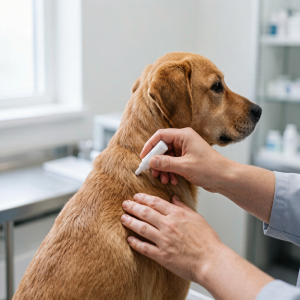
Fleas are blood-feeding insects that cause itchy dermatitis in dogs and cats and can transmit tapeworms and other diseases. Control requires treating the pet, the home, and all in-contact animals with veterinary-directed parasiticides.
What to Know About Flea Prevention for Pets
Fleas harm not only pets but the whole household. Few things ruin summer fun like these tiny, nearly invisible parasites that plague pets and their owners.
What to Do for Acute Moist Dermatitis (Hot Spots) in Dogs
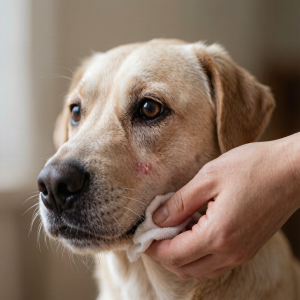
Hot spots (also called acute moist dermatitis or pyotraumatic dermatitis) are localized, moist, red lesions of skin caused mainly by self-trauma. Acute moist dermatitis is a common skin disease in dogs. It often appears in long-haired and thick-coated breeds and is more common in summer.

How to Get Rid of Fleas on Your Dog: Effective Removal Methods
Fleas are blood-feeding external parasites that make dogs itch, damage the skin, and can spread other infections. Effective removal means treating the dog, disinfecting the home, and repeating the process because flea eggs are hard to kill and resist a single treatment.
Why Does My Cat Still Itch After Deworming?
A cat that keeps scratching after a dewormer isn't necessarily proof the product failed. Dewormers kill parasites but not skin problems, and the wrong product, wrong application, or an untreated home can all leave itching in place. Flea-allergy dermatitis, mites, dry skin, and stress can itch too. Mild scratching for a day or two may just need patience; anything longer with skin damage needs a vet.
Parasite Prevention for Cats: What Every Owner Should Know
Parasites threaten cats at every life stage and are easy to overlook. Fleas, lice, ticks, and mites cause itching, dermatitis, and anemia, while internal worms and mosquito-borne heartworm can be life-threatening—even for indoor cats. This guide explains the hidden risks, why a combined internal-and-external spot-on simplifies prevention, and how to apply one safely and with less stress. The proven ingredient pair imidacloprid plus moxidectin covers a broad range of parasites in a single monthly dose. Always confirm the right product with your veterinarian.
Does a Scratching Cat Always Have Parasites?
A scratching cat doesn't automatically have worms. Itching can come from parasites, but also from skin disease, allergies, dry skin, or even stress. Anxious cats may over-groom until they damage their own skin, creating a vicious itch cycle. If scratching continues after a dewormer, or comes with hair loss, redness, bumps, ulcers, or heavy scaling, it's time for a veterinary check rather than more flea treatment.