Search Results
50 results for “flat faced cat”
Why Your Cat Keeps Sneezing
An occasional sneeze is nothing, but frequent sneezing with discharge, eye issues, or coughing can hide something serious. Causes span environment, infection, and even facial structure, from dust and viruses to flat-faced-breed anatomy. This guide explains the reasons, when to see a vet, and how to care for and prevent sneezing fits.
Why Does Your Cat Have Heavy Tear Stains?
Those dark streaks under a cat's eyes are more than cosmetic; they signal an underlying issue. Tear staining can come from structural problems like ingrown lashes and blocked ducts, from infections and parasites such as eye disease, ear mites, or eye worms, or simply from a salty diet. Understanding the cause is the first step to clearing the stains and keeping your cat comfortable.
How to Choose a Cat Breed
A 'pedigree' cat is one shaped by planned crosses and recognized by a registry—largely a commercial matter. Common breeds: American Shorthair (sturdy, calm), British Shorthair (round face, sweet), Chinese Li Hua (independent, a great mouser), Siamese (vocal, clever), Persian (long-haired, gentle), Exotic (flat face, prone to breathing/eye issues), Norwegian Forest and Maine Coon (large, adventurous, not ideal strictly indoors), and Ragdoll. Match temperament and your home to the cat, and beware breeds with known genetic problems.
Can Cats Get Heatstroke?
Like people, cats can suffer heatstroke if they can't cool down in hot weather—flat-faced breeds (Exotic, Persian), older cats, and overweight cats are at higher risk. Above 32°C is very hot for a cat; above 40°C is dangerous. Cats cool mainly through paw-pad sweat, panting, and saliva evaporation, so help them with plenty of water, cool tiles, shade, air conditioning (a fan alone does little), and trimmed paw fur. Watch for prolonged panting with bright-red gums, drooling, vomiting, and weakness—and get to a vet fast.
Why Are My Cat’s Eyes Always Wet?
Constant wetness at a cat's eye corners is usually harmless tear pooling—after waking, mild dust, or the narrow tear ducts of flat-faced breeds like Exotics and Persians. But it can also signal conjunctivitis, keratitis, a blocked tear duct, or irritating fur. Yellow-green pus, swelling, or sneezing with poor appetite means a vet visit. Start with gentle cleaning and a few days of observation.
Cat CoQ10 Buyer’s Guide: Reading Labels and Avoiding the Pitfalls
Roughly 15% of cats develop some form of heart disease, with seniors, flat-faced breeds, Ragdolls, and overweight or inactive cats at higher risk. CoQ10 supports cellular energy in heart muscle, but natural production drops as cats age. When choosing a supplement, the smart move is to read the label and judge the formula—not the marketing. This guide breaks down what to look for and the common traps to avoid.

Why Is Your Cat Breathing Loudly
Loud or heavy breathing in cats can be a stuffy nose from debris, a normal quirk after waking, or illness such as rhinitis or bronchitis. Short-nosed breeds especially breathe noisily while sleeping. Check the nostrils for foreign objects first; if congestion lingers with coughing, low appetite, or rapid breathing, see a vet for bronchitis. Treatment pairs fluids, anti-inflammatories, and nebulization, and reducing dust and allergens prevents recurrence.
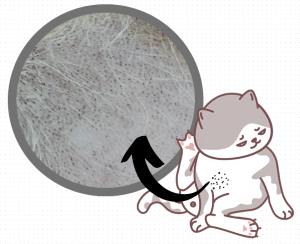
Black Dots on Your Cat’s Skin: Folliculitis, or ‘Black Chin’ and ‘Stud Tail’
Black dots on a cat's skin are usually the early sign of folliculitis, like blackheads, driven by excess sebum, blocked follicles, and bacterial infection. On the chin it is called black chin, and on the tail stud tail or oily tail, both managed with gentle localized cleaning and diet adjustments.
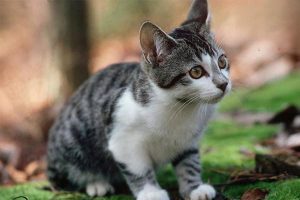
Tracheal Collapse (Tracheal Paralysis) in Dogs and Cats: Symptoms, Treatment, and Prevention
Tracheal collapse is a weakening of the windpipe's supporting rings that lets the airway flatten, causing a characteristic honking cough and breathing difficulty. It is common in small and brachycephalic breeds and is managed with medical and, sometimes, surgical care.

Elongated Soft Palate in Dogs and Cats: Symptoms, Treatment, and Prevention
An elongated soft palate is a congenital upper-airway abnormality common in brachycephalic (flat-faced) breeds, causing snoring, noisy breathing, and exercise intolerance. Severe cases are corrected surgically by shortening the palate.