Search Results
104 results for “fixed routine”

How to Care for a Pekingese
The Pekingese—also called the Lion Dog or Beijing Dog—is a tiny, sturdy, ancient companion breed with a devoted, loyal nature and relatively simple care needs. Provide a warm, comfortable bed and a steady routine for eating, sleeping, and toileting. Feed a balanced diet of quality kibble plus safe additions like cooked vegetables and lean meats, and avoid onions, garlic, spicy or salty food, cold leftovers, raw meat, and caffeine. Groom daily, clean the eyes, ears, and paws weekly, brush the teeth several times a week, and bathe as needed to prevent skin and parasite problems.
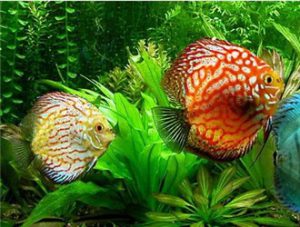
Discus
The Discus is the 'king of tropical aquarium fish,' prized for its round, vividly patterned body and calm schooling nature. A cichlid from the Amazon basin, it needs a large, stable, warm soft-water tank kept as a group, and lives 5–6 years on a careful 'four-fixed' feeding routine.
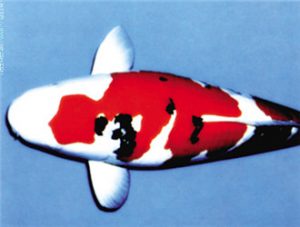
Taisho Sanshoku
Taisho Sanshoku, commonly called Sanke, is one of the two representative koi varieties alongside Kohaku. Bred in Japan during the Taisho era (around 1915), it is a red-white-black tricolor koi whose appeal lies in the placement and quality of its black sumi markings over a pure white-and-red body. Its care is the same as for any koi.

Guangxi stripe-necked turtle
The Guangxi stripe-necked turtle is a rare, beautifully marked freshwater turtle endemic to Guangxi, China, long suspected—though never confirmed—to be a natural hybrid. In captivity it is an active, omnivorous species that enjoys warm water and is relatively easy for keepers to maintain.
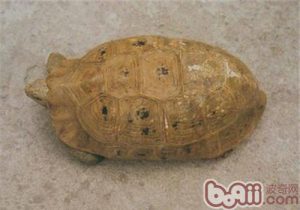
Celebes Tortoise
The Celebes Tortoise (Indotestudo forstenii), also called the Sulawesi tortoise, is a herbivorous land tortoise native to the Indonesian islands. It resembles the Burmese mountain tortoise but grows slightly larger, and is relatively easy to keep in captivity.
How to Get Along with a Dog?
Be patient and give a puppy security. Respect its space; start with gentle back strokes. Feed on a schedule, walk or play at fixed times, and start basic training (potty, shake, wait) to build good habits and obedience.

Why Is My Dog Such a Picky Eater?
A dog that turns up its nose at food is rarely doing it just to be difficult. Picky eating usually traces back to a mineral deficiency, a hidden illness, boredom with the same kibble, or an inconsistent feeding routine. Watch closely and fix the root cause rather than forcing the bowl.

Coat Care That Keeps Your Cat’s Fur Smooth and Shiny
A cat's coat reflects daily diet and care. Poor food, old age, or too-frequent washing dulls the fur, while quality food, a gentle shampoo, and the right vitamins bring back shine and softness.

Dog Vomits Yellow Bile, Won’t Eat, and Lies Down
Yellow, foamy, smelly vomit with lethargy usually points to a sensitive, overeating stomach, but it can also signal inflammation, hunger, a swallowed object, or virus. Match the cause to the fix and see a vet when it persists or worsens.

What to Do When Your New Dog First Comes Home
The first days at home set the tone for everything that follows. Prepare supplies and a health check beforehand, then use a leash and crate to build boundaries, feed on a fixed schedule, and train with patience and rewards rather than scolding.