Search Results
105 results for “fish hide”
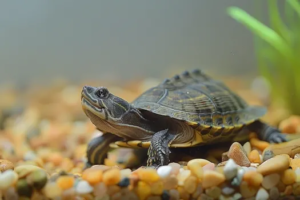
What Environment Suits a Pet Turtle?
Turtles are semi-aquatic, cold-blooded animals that breathe with lungs and live in lakes, ponds and rivers — active and feeding in water by day, foraging on shore at night, and very timid. Below 10°C they hibernate in mud or burrows until water rises above 15°C in April. They eat a wide diet (feed about 5% of body weight), and their color shifts with the habitat as natural camouflage.

What If Your Cat Won’t Eat Lecithin?
Lecithin (inositol phosphatide) is vital for a cat's coat; deficiency causes shedding and dry fur. If a cat refuses it, mix it into smelly or favorite foods, or use powder form. Egg yolk, soy, and liver also help - 2-3 boiled yolks a week suffices.
How to give medicine to a cat?
Many methods: wrapping hides the pill in food (meat, fish, cheese) so the cat eats it; the pill must not be too big. Grinding crushes the pill into powder mixed into wet food; good for difficult cats. Liquid dissolves the medicine in water and uses a syringe to inject into the mouth; for liquid oral meds.
What happens to a guppy before it gives birth?
Before giving birth, a guppy's belly becomes very large and its gestation spot becomes large and dark and highly visible. The fish will also swim irregularly in the water and then hide in a secluded spot to avoid being disturbed while giving birth.
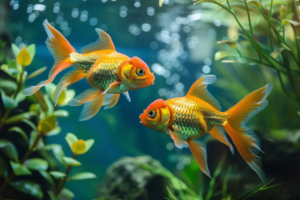
How Often Do Black Mollies Breed?
With good conditions and enough food, black mollies can breed about once a month; poor conditions lengthen the cycle or stop breeding entirely. They usually start around five months, though some early ones at four; choose broodstock of six to eight months or older for better fry. A first spawn yields 10 to 50 fry, rising with experience.
How Much Water Does a Cat Need Each Day? Even a Little Less Is a Risk
A cat needs about 40–60 ml of water per kg of body weight daily — roughly 200–300 ml for a 5 kg cat. That total includes water from food: dry food is only 5–10% moisture while wet food and fresh diets are 70–80%. Pregnant/nursing mothers need +50%, kittens (3–6 months) 60–80 ml/kg, and hot, dry, or active conditions call for +20–30%. Chronic shortfalls raise the risk of urinary crystals, kidney disease, and constipation.
How Does a Toothless Dog Eat?
A dog without teeth can still eat kibble — dogs don't chew much anyway, and strong stomach acid plus digestible kibble handle it. For weak guts, pick small, softened kibble, homemade mush, or wet food. Avoid hard chews, bones, and sticky foods, use a shallow non-slip bowl, and feed small meals often.
How Many Meals a Day Should a Cat Eat?
Cats evolved to eat small amounts often (wild cats hunt 10–20 times a day), so mimic that with frequent small meals. Kittens need 4–6 meals, adults 2–4, seniors 3–6; free-choice feeding risks obesity, while scheduled meals let you spot illness early. Pregnant or nursing cats and dieting cats need their own plans.
How can I tell a guppy is about to give birth?
A soon-to-deliver guppy has a swollen belly and a darkening gravid spot near the vent; when it turns black, birth is near. Separate the fry to protect them from being eaten.
Signs Your Dog Is Getting Old
A dog's life spans only a little over a decade, and aging creeps in through everyday details rather than all at once. The earliest changes are white muzzles and cloudy eyes, followed by dental trouble, shifting personality, and less stamina. Because organ function declines with age, seniors also show digestive and urinary changes. Spotting these signs early lets you give your older dog the comfort and care they deserve.