Search Results
636 results for “fish disease”
Why do goldfish get saprolegniasis (water mold disease)?
Goldfish get saprolegniasis from poor water quality or injury. Low resistance when sick or in cold water raises risk; wounds let fungi in. Isolate the sick fish and treat with antifungal drugs; severe cases use oxytetracycline or povidone-iodine.
What are the causes of head-hole disease in fish?
Two main causes: nutritional deficiency and internal protozoan parasitism. Symptoms: body tremors, restlessness, reduced appetite; stages vary—early normal eating/active with occasional shivers; mid reduced food, more tremors, less pale-yellow stool; late refuses food, slow, rubs tank. Nutritional → supplement nutrition; protozoan → deworm internally.
My fish has black-centered, white-ringed patches on its head—is this a skin disease?
White patches on a fish are likely skin infection—bacterial or fungal (white spot disease, saprolegnia). Fish disease is hard to diagnose; adjust water quality/temp/environment and diet, try meds; consult experienced keepers if unsure.
What medicine treats white spot disease in parrot fish?
Mild white spot disease clears by raising the water temperature, no drugs needed. Severe cases use malachite green solution, soaking the fish 2–3 hours daily until symptoms fade. Disinfect new fish with potassium permanganate or salt first.

Common Diseases of Parrot Fish
Parrot fish commonly get head-hole disease (highly contagious, fatal), black-spot disease (fungus, most common), and red-skin disease (bacterial). All trace to poor water or temperature; treat with salt baths, yellow powder, potassium permanganate, and clean warm water.
How soon after recovery can a goldfish with white spot disease be fed?
After curing white spot disease, watch the goldfish 3 more days and feed it once it is lively. The disease peaks December to June; prevent it by controlling water changes and temperature swing, and isolate sick fish at once.

How to Prevent Swim Bladder Disease in Ornamental Fish
Swim bladder disease is common in ornamental fish; prevent it by controlling temperature and water quality. Many cases follow water changes with big temperature gaps — keep new and old water within about 2°C. If a fish loses buoyancy, isolate it in shallow water with a little salt, feed less, and if needed add a buoyancy aid.
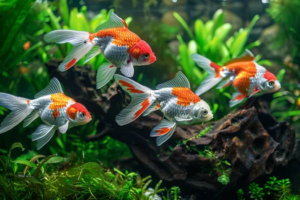
Common Diseases of Blood Parrot Fish and How to Treat Them
White spot, black spot, head-hole disease, and enteritis are all very common in blood parrot fish. To help owners respond better, here are treatments for each of these diseases.
What Diseases Are Discus Fish Prone To?
Discus fish commonly get saprolegniasis (water mold), enteric bacterial disease, and internal parasites. Poor temperature, big swings, bad water quality, and wrong lighting raise the risk; regular water changes and stable warmth help prevent illness.

Pet Skin Diseases (Part 1): Parasitic and Fungal Infections
Skin disease is common in dogs and cats and tends to flare up and recur, usually because their skin defenses are weak and their surroundings are full of triggers. The two hardest types to clear are external-parasite infestations (fleas, lice, mites, ticks) and fungal infections (ringworm); both cause intense itching, hair loss, and skin damage and need treatment of both pet and environment. Since they are contagious and slow to resolve, early veterinary care and consistent parasite control are the keys to recovery.