Search Results
66 results for “fish antibiotics”

Why Does a Blood Parrot Cichlid’s Tail Split?
Why does a blood parrot cichlid's tail split? Most cases are caused by poor water quality or fighting injuries, and timely treatment is fine. How to treat it? Learn the causes and measures with our veterinarian.

How to Treat Popeye in Arowana
Arowana popeye needs treatment matched to its cause - bad water, drugs, light, diet, pH, or low oxygen. Learn the targeted fixes and the medication course.

Causes and Treatment of Sunken Eyes in Arowana
Sunken eyes in arowana can come from organ inflammation, bacterial infection, or drug overdose. Use antibiotics, medicated baths, or water changes depending on the cause.

White Film Over an Arowana’s Eye
A white film over an arowana's eye calls for quick water changes. The 'old three' method fixes mild cases; bacterial film needs fish-specific antibiotics.

Causes and Pathological Analysis of Turtle Enteritis
Turtle enteritis is usually triggered by a sharp drop in enclosure temperature or spoiled food, and good husbandry and careful feeding prevent most cases. This article covers the causes, the staged symptoms (from mild loose stools to severe floating, refusal to eat, and limb weakness), and the pathology—where lost electrolytes weaken the gut's absorption and must be replenished—plus treatment centered on anti-inflammatory, anti-diarrheal, and mucosal care.

Nebelung
The Nebelung is essentially a long-haired Russian Blue, a rare variant recognized by TICA in 1987 and hailed as the 'nobility of long-haired breeds.' Apart from its coat, it is identical to the Russian Blue. Quiet, shy, and gentle, yet intelligent and adaptable, it is well suited to calm households.
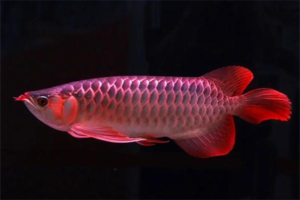
Why Arowana Get Pinecone Disease (Raised Scales) and How to Treat It
Pinecone disease (also called raised or loose scales) is common in arowana. It can be triggered by large temperature swings, poor water quality, or internal infections such as enteritis and ascites. Mild cases often respond to the 'old three methods' — raise temperature, add salt, and partial water changes — while severe cases need antibiotics.

Why Do Koi Get Enteritis?
Koi enteritis has many triggers: poor water quality, temperatures that are too high or low, malnutrition, dirty food, and viral or parasitic infection. Good pond management is the first line of defense—keep water clean and the temperature stable, feed a varied, hygienic diet, and test the water and control disease regularly. If a koi does develop enteritis, act fast: fix the water, use antibiotics or anti-inflammatory drugs as a vet advises, and adjust the diet to support recovery.

What Causes Periodontitis in Dogs?
Periodontitis is a common and painful dental disease in dogs, driven by a mix of physical, fungal, bacterial, and metabolic factors. Physical causes include chewing on fish bones, wire, or other sharp objects that injure the mouth, while fungal infections such as Candida or Blastomyces and bacterial overgrowth can trigger necrotizing ulcerative gingivitis. Metabolic problems like diabetes, kidney disease, dehydration, and hypothyroidism also raise the risk. Affected dogs show bad breath, drooling, swollen or receding gums, loose teeth, and sometimes pus. Diagnosis combines an oral exam with dental X-rays, and treatment requires professional cleaning or extraction under anesthesia plus ongoing home dental care.

Is Terbinafine Spray Effective for Cat Ringworm?
Terbinafine spray is a first-line antifungal and does help mild, surface ringworm—but it can't reach deep follicles, so it won't cure every case and shouldn't be used long-term. For larger or deep infections, combine it with medicated baths and oral antifungals under veterinary guidance. Clip, disinfect, and protect the skin, and always confirm the diagnosis first.