Search Results
166 results for “filtration”
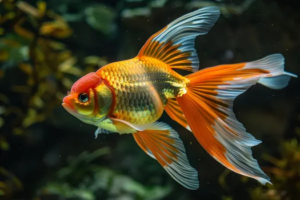
How to Improve the Survival Rate of Ornamental Fish
To raise survival, fishkeepers should feed reasonably, change water regularly, clean filter media, keep temperature suitable, and control stocking density. Match diet to the species, control amount and frequency; regular water changes and filter cleaning keep water quality. Keep temperature right and density appropriate for tank size. Before mixing species, learn which coexist to avoid losses.

Why Is My Ornamental Fish’s Tail Splitting (Forked)?
Poor water quality, impact or bites, and bacterial infection are common causes of a split tail; treat based on the cause. If from poor water, change water promptly and keep it clean—the tail slowly recovers. If from fighting, isolate the fish and adjust density/mixing. If infected, use medicated baths.

What Color Should Healthy Goldfish Droppings Be?
Healthy goldfish normally pass black or brown stool, tied to diet—bloodworms give brown, pellets give black, algae give green. Occasional white stool is fine if no other signs, but long white or stringy stool means digestive trouble—take note.

Why Do Arowana Get Sunken Eyes?
Arowana sunken eyes (eye recession) commonly come from internal organ inflammation, bacterial infection, or medication overdose. Treat by cause: antibiotics for internal inflammation, water changes and antibacterial baths for infection, and water changes plus warming for overdose. Keep water clean, warm, and oxygenated; mild cases recover in about a week.
What Causes Arowana Popeye?
Arowana popeye (bulging eyes) is caused by high nitrite in aged water, too much protein in the diet, or bacterial/parasitic infection. Fixes: change water and run the filter for nitrite; switch to lower-protein food and add a wave pump for diet; change water and apply eye drops for infection. Rising pH, high alkalinity, or vitamin B deficiency can also contribute.

How Often Should You Change Goldfish Water?
Change goldfish tank water every 3-7 days, adjusting for season, temperature, stocking density, and water quality. In summer without filtration, change about a third of the water every 3 days; in winter you can stretch to 10-15 days. Keep the new-water temperature within 2°C of the old, add it slowly along the glass, and replace only 1/4-1/3 of the volume each time.
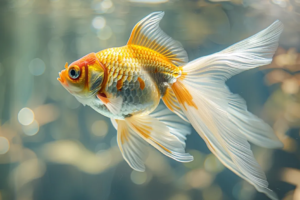
Signs Your Goldfish Is Overfed
Overfed goldfish may rub on the glass, swim tilted, sit on the bottom, or float belly-up, sometimes with white or yellow stool. Ease it with water changes, warmth, current, and oxygen to aid digestion. Overfeeding badly strains the gut and can cause inflammation, so feed small, frequent meals and control portions — usually 1-2 feeds daily, more in hot weather.

Possible Causes of Sudden Death in Arowana
Arowanas are hardy, adaptable, and long-lived, so a sudden death usually means the owner missed an underlying illness—the fish was sick, not suddenly fatal. This article analyzes the likely causes of abrupt arowana death.
Why Do Arowana Scales Raise (Pinecone Disease), and How to Treat It
Arowana scale-raising has three causes—handling-related, parasitic, and bacterial—each needing different treatment. Find the real cause and treat accordingly. This article covers the common causes and treatments.
Is Driftwood Good for a Fish Tank, and What Does It Do?
Many add driftwood only for looks, but it does more than decorate. This article covers the pros and cons so you can decide whether to use it.