Search Results
347 results for “feline vomiting”
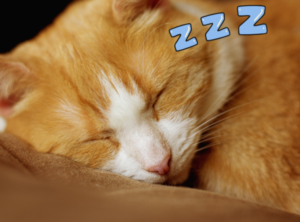
Is It Normal for a Cat to Sleep All Day?
It's normal for a healthy adult cat to sleep 15–20 hours a day (kittens and seniors even more). Most of that is light dozing — only 20–30% is deep sleep. If your cat wakes cheerful and eats normally, don't worry; but sudden lethargy with appetite loss, weight loss, fast breathing, or hiding needs a vet.
How Many Meals a Day Should a Cat Eat?
Cats evolved to eat small amounts often (wild cats hunt 10–20 times a day), so mimic that with frequent small meals. Kittens need 4–6 meals, adults 2–4, seniors 3–6; free-choice feeding risks obesity, while scheduled meals let you spot illness early. Pregnant or nursing cats and dieting cats need their own plans.
Why does my two-month-old kitten have diarrhea with blood?
Bloody diarrhea usually comes from parasites, viruses, or enteritis. Parasites and coccidia cause jelly-like or terminal bleeding; panleukopenia adds vomiting and fever; enteritis needs antidiarrheal and probiotics.
Will a cat’s foaming at the mouth heal on its own?
Foaming from indigestion or hairballs may self-resolve with fasting or cat grass, but causes like gastritis, pancreatitis, panleukopenia, poisoning, or parasites usually will not and need a vet.
Is It Safe to Drink Water a Cat Has Licked?
For a healthy adult, an occasional sip of water a healthy cat has licked is low risk — your immune system handles small amounts of bacteria. Avoid it when the cat is sick (stomatitis, gingivitis, vomiting, or diarrhea), when you are immunocompromised (elderly, children, pregnant, diabetic, or living with HIV), or when the water is heavily contaminated. If you accidentally drink it and feel fine, just hydrate well — no panic needed.

Common Side Effects After Cat Vaccination and What to Do
Mild reactions after a cat's vaccination—low fever, tiredness, poor appetite—are normal and usually fade in 1–3 days as the body builds antibodies. Watch for serious signs like facial swelling, vomiting, or breathing trouble and head to the vet; keep the cat calm, hydrated, and away from other cats for a week.

Why Cats Suddenly Lose Their Appetite
A sudden loss of appetite can come from mild causes, weather, heat, stress, or fussy eating, or from illness such as mouth pain, digestive trouble, parasites, or systemic disease. Find the cause first: treat oral pain with pet anti-inflammatories and oral spray, settle the gut with probiotics, and deworm if parasites are to blame.
Is Tapioca Starch in Cat or Dog Food a Problem?
Tapioca starch (from cassava, a tropical root) in pet food is normal and usually fine in moderation. It helps kibble hold its shape, provides energy, and lowers cost. If it sits near the top of the ingredient list, though, protein may be lacking — and since cats are obligate carnivores and dogs are meat-based omnivores, long-term high-starch diets cause muscle loss and weaker immunity. The 'tapioca is toxic' worry is a myth: raw cassava contains cyanogenic glycosides, but proper soaking, cooking, and drying remove them, and high-heat pet-food processing destroys what remains.
What should I do if my cat has diarrhea with blood?
Bloody diarrhea is usually from parasites, viruses, or enteritis. Deworm for parasites, suspect feline distemper for viruses, and treat enteritis from spoiled food with anti-inflammatories and probiotics.

Why Does Your Persian Cat Keep Tearing Up
Persistent tearing in Persian (Exotic) cats can have several causes. Their short nasal passages and shallow eye sockets make mild tearing normal, but blocked tear ducts, structural gland issues, conjunctivitis, keratitis, injury, or foreign particles can all increase eye discharge. Diet also plays a role: salty food and low water intake lead to internal heat and heavy tear staining. If tearing continues or comes with redness, fever, poor appetite, vomiting, or diarrhea, see a veterinarian for diagnosis and treatment.