Search Results
347 results for “feline vomiting”

Do You Really Understand Cat Fatty Liver Disease?
Human fatty liver is mostly from obesity and alcohol, but cats are different: while obesity is one factor, a large share of feline fatty liver comes from not eating. Here is why, and how to prevent it.

How to Care for a Cat with Fatty Liver Disease
Treating feline fatty liver has two stages: a stabilization phase and a long care phase. Stabilization needs hospital observation; care can be done at home. Here is what each involves.

Causes and Symptoms of Acute Hepatitis in Cats
Acute hepatitis in cats shows as vomiting, fever, poor appetite, weight loss, and yellowed skin (jaundice). Causes range from viruses and bacteria to heart failure, toxins, and drug allergies. Here is a detailed look.

Understanding Cat Chronic Hepatitis
Many owners panic when a cat is diagnosed with chronic hepatitis, fearing they will lose their pet. In fact it is not a death sentence and can be cured - the earlier treatment starts, the faster the recovery. Here is what chronic hepatitis really means.

What Owners Can Do When a Cat Has Pharyngitis
When a cat is sick, the owner naturally wants to help it recover fast. That urgency is normal, but it must be effective help. Here is what owners can do when a cat develops pharyngitis.
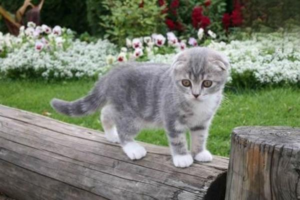
Can Cats Drink Raw (Untreated) Water? The Risks and Consequences
Cats should never be given raw, untreated water such as tap, well, river, or stream water. Untreated water carries bacteria, fungi, excess minerals, chlorine, and debris that can cause gastroenteritis, kidney strain, urinary stones, and parasite infection — boiling the water first removes most of these risks.

Best Medications for Cats with Colitis and Blood in Stool
If your cat is mentally normal with a normal temperature and no loss of appetite, but frequently passes soft or even watery stools with a foul, fishy odor, it may have colitis. Feline colitis is often related to viruses and parasites, and requires prompt identification of the cause and treatment to avoid dehydration or even death. Today we walk you through the treatment of feline colitis.

What to Do When Dogs and Cats Have Diarrhea? Keep These Fast Antidiarrheals on Hand
The medical term for diarrhea is diarrhea, which usually refers to changes in bowel habits and stool characteristics, generally manifested as frequent defecation, increased stool volume, loose stools, and bloody stool. Most diarrhea in dogs and cats is caused by gastrointestinal discomfort, but it may also be a concurrent symptom of other diseases. Today we discuss knowledge about diarrhea in dogs and cats.

What Is Canine Coronavirus?
Canine coronavirus may be unfamiliar by name, but its signs mirror gut trouble — and they closely resemble parvovirus. So what exactly is this disease? Here is a clear introduction.

Gastroenteritis in Dogs and Cats: Types, Symptoms & Medication
Gastroenteritis in dogs and cats spans gastritis (acute/chronic) and enteritis (viral, bacterial, parasitic). This guide covers causes, symptoms, and the medication approach—anti-inflammatories, anti-vomiting, anti-diarrhea, dewormers, probiotics—plus prevention.