Search Results
347 results for “feline vomiting”

Acute Pancreatitis in Cats and Dogs
Acute pancreatitis is self-digestion of the pancreas by its own enzymes, striking dogs far more often than cats and showing as sudden belly pain, shock, and peritonitis. Triggers range from bile-duct blockage and fatty meals to infections and certain drugs; treatment focuses on shutting down pancreatic secretion, controlling infection and pain, and correcting fluids — and the hemorrhagic form carries a guarded prognosis.
Do Cats Cough?
Cats do cough, though far less often than people — and when they do it usually points to a problem. Causes range from stress and allergies to colds, bronchitis, hairballs, or feline asthma, and because a coughing fit looks a lot like gagging, a lowered head and stretched neck is the tell-tale posture. Pin down the cause before treating, and see a vet if it persists.

How to Tell If a Cat Is Stressed
A cat's mood swings sharply with its environment, and stress ranges from a few days of acute reaction to chronic pressure lasting weeks or months—the chronic kind is the most dangerous. Common chronic triggers include multi-cat conflict, moving, new family members, litter-box problems, diet changes, and shifts in the owner's own routine or stress.
Is Cat Diarrhea a Sign of Illness? How to Treat It
Cat diarrhea isn't always serious, but it can signal gut infection, plant poisoning (lilies are deadly), parasites, or even panleukopenia. Stabilize the gut, keep food consistent, maintain parasite control, and treat any suspected poisoning as an emergency.
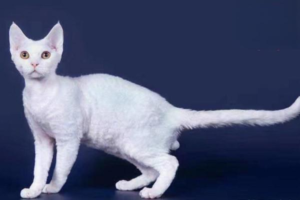
Cold Symptoms and Fever in Sphynx (Hairless) Cats
Sphynx (hairless) cats lack a fur coat and lose heat far more easily, so they catch colds more readily than other breeds. Mild cases with a low fever under 39.5°C can often recover at home with warmth and supportive care, but a cat that won't eat, grows weak, or fails to improve needs prompt veterinary attention.

Cat Hairballs vs. Asthma: Symptoms and Treatment
A hairball causes dry heaves and constipation from swallowed fur, eased with a hairball paste; feline asthma brings neck-extended, open-mouthed wheezing needing oxygen and bronchodilators. The two look alike but asthma is an emergency — keep the cat calm and see a vet.
Why Is My Cat Suddenly Peeing on the Bed?
A cat peeing on the bed usually means a lingering urine smell on the sheets, a filthy litter box, heat-related spraying, or a urinary-tract disease. Urinary trouble shows as painful, drippy, or bloody urination and can progress to a blockage — an emergency. Treatment ranges from antibiotics (amoxicillin, amoxicillin-clavulanate, ofloxacin) for inflammation to flushing or surgery plus urine-acidifying drugs for stones.

Symptoms and Prevention of Coccidiosis in Cats
Feline coccidiosis causes soft stools, diarrhea, and jelly-like mucus or blood in the feces, hitting kittens with weak immunity hardest. The parasite lives in the small intestine and can cause hemorrhagic enteritis. Catch it with a fecal exam and treat with sulfonamides plus fluids; prevent it through regular deworming, avoiding contaminated soil, and isolating infected cats.
Symptoms and Causes of Cat Poisoning
Curiosity really can kill the cat. Cats always like to explore their surroundings, using their natural instincts to explore and hone hunting skills. Unfortunately, a cat's curiosity can easily get it into trouble, and a slight misstep may lead to poisoning.
Why Your Cat Vomits Yellow Foamy Liquid
When a cat vomits yellow fluid, there is surely a stomach or intestine problem. There are many causes - mild and severe. Generally causes include gastroenteritis, intestinal parasites, viral infection, and nervous system disease and liver-kidney-pancreas problems. For such complex causes, generally judge by the cat's symptoms to know the reason, so as to treat correctly. Today we discuss several causes of cats vomiting yellow fluid.