Search Results
347 results for “feline vomiting”
Is Cat Hairball Vomiting Good or Bad?
An occasional hairball is not a 'good' thing — it's just the body clearing built-up fur. If vomiting is rare (once every 1–2 months), the cat stays lively with normal eating and the vomit is only fur and a little mucus, there's little to worry about. But frequent vomiting, or signs like lethargy, poor appetite, diarrhea, or weight loss, often point to a gut problem and warrant a vet visit.
On which days is feline distemper most dangerous?
Feline distemper is most dangerous on days three to five, when white blood cell counts plummet and secondary infections threaten life. Treatment combines antivirals, infection control, and supportive care.
Why is my two-month-old kitten vomiting yellow foamy liquid?
This signals gastrointestinal disease (bacterial enteritis, parasites, obstruction, distemper) or serious internal illness (pancreatitis, kidney failure). See a vet — home care isn't enough.
What are the symptoms of feline panleukopenia (cat distemper)?
Signs include abdominal pain, lethargy, bloody diarrhea, fever and vomiting. The most acute form damages the intestines and lowers white cells, often killing the cat within 24 hours.
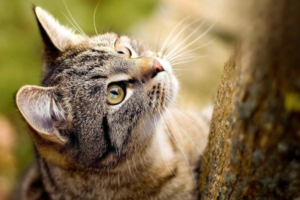
Diagnosing and Treating Feline Idiopathic Cystitis (FIC)
Feline idiopathic cystitis, or FIC, is a common lower-urinary-tract disease in cats whose exact cause is still unknown, yet it is the single most frequent diagnosis in young cats, affecting roughly 50 to 60 percent of cases. It is linked to a defective bladder lining, nerve-driven inflammation, and stress. Because there is no single definitive test, veterinarians diagnose it by exclusion, using the history, urinalysis, blood chemistry, and ultrasound. Most episodes ease on their own within five to seven days, but treatment focuses on pain relief, protecting the bladder lining, litter-box management, more water, prescription food, and reducing stress.

Understanding Feline Hyperthyroidism
Hyperthyroidism is an endocrine disease from excess thyroid hormone, common in senior cats, usually from benign nodules. Signs include weight loss with ravenous appetite, restlessness, coat changes, and more; suspect it in any sick cat over ten. Treat by surgery, daily medication, or radioiodine; prevent via diet and regular checkups, especially with heart disease.

Cat Vomiting Yellow Fluid and Undigested Kibble: Causes and Care
When a cat throws up yellow fluid and undigested kibble, weak intestines, especially in kittens, are often to blame. If lethargy and appetite loss accompany it, rule out feline panleukopenia with a vet. Otherwise the usual causes are simple indigestion from irregular feeding, intestinal parasites, or gastroenteritis from spoiled food. Manage mild cases with a pet probiotic and a short fast, treat parasites with a dewormer, and seek a clinic if it persists beyond 24 hours.
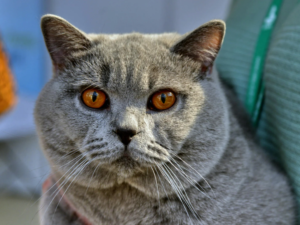
Feline Panleukopenia: How Fast Is It Fatal?
Panleukopenia is a deadly, highly contagious viral disease that attacks the gut and bone marrow. Unvaccinated kittens under a year often die within 2–4 days if untreated; unvaccinated adults usually within 5–7 days, some lasting around 10. Vaccinated cats rarely die. Early care lifts kitten survival above 50% and adults above 80%—and surviving one week usually means recovery. Prevention through vaccination beats treatment every time.
My cat is vomiting yellow fluid with blood
A cat vomiting yellow fluid with blood can stem from indigestion, feline distemper virus, internal parasites, or gastroenteritis. Try brief fasting, give pet anti-inflammatory and anti-vomiting meds plus probiotics, and watch for improvement. If vomiting persists, see a vet.
What are the symptoms of feline distemper (panleukopenia)?
Loss of appetite, vomiting, diarrhea, lethargy, bloody stool, rapid weight loss; later low blood sugar, shock, seizures. Urgent vet care needed.