Search Results
159 results for “feline skin disease”
Common Mistakes New Cat Owners Make
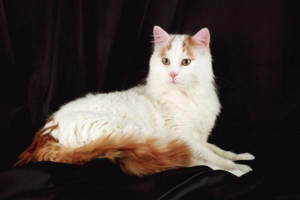
Today we share some common mistakes new cat owners make. Be sure not to fall into these traps.

How to Help Your Cat Live a Longer, Healthier Life
A cat's longevity depends on weight control, a healthy gut, antioxidants, muscle mass, and skin health. Support these through quality protein, targeted supplements, and daily activity.

Why Starvation Can Cause Fatty Liver in Cats
Most animals get fatty liver from too much food, but cats are the opposite too - they can get it from not eating. Here is the mechanism, and the common types and signs.

Causes and Symptoms of Acute Hepatitis in Cats
Acute hepatitis in cats shows as vomiting, fever, poor appetite, weight loss, and yellowed skin (jaundice). Causes range from viruses and bacteria to heart failure, toxins, and drug allergies. Here is a detailed look.

The Relationship Between Cat Asthma and Bronchitis
Cat asthma is also called feline bronchitis, with airway obstruction as its main feature. It can strike cats of any age, most often young and middle-aged. Learn the symptoms, causes, and how it is diagnosed.

What to Do When Dogs and Cats Have Diarrhea? Keep These Fast Antidiarrheals on Hand
The medical term for diarrhea is diarrhea, which usually refers to changes in bowel habits and stool characteristics, generally manifested as frequent defecation, increased stool volume, loose stools, and bloody stool. Most diarrhea in dogs and cats is caused by gastrointestinal discomfort, but it may also be a concurrent symptom of other diseases. Today we discuss knowledge about diarrhea in dogs and cats.

Oily Tail With Blackheads? It May Be Stud Tail
An oily, blackhead-covered tail that won't wash clean is usually stud tail—a hormone-driven skin condition in cats. Learn to spot early and mid-stage signs and the treatment (clip, medicated wash, spray, collar).
How Long Does It Take for a Cat to Recover from Ringworm?
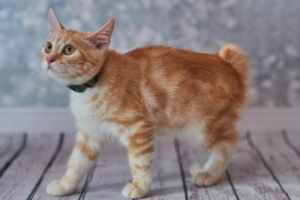
Recovery from feline ringworm depends on severity, spread, and consistent medication, plus environmental disinfection to prevent reinfection; most cases take about a month. Treatment combines topical antifungals, hygiene and isolation, medicated baths for wide spread, and an Elizabethan collar.

What Causes Stud Tail in Cats?
Stud tail is an endocrine skin condition in cats—excess male hormones drive oily blackhead-like lesions on the tail base, chin, and back. Learn the causes, common breeds, and prevention (neutering, diet, exercise, cleaning).

Treatment and Prevention of Stud Tail Dermatitis in Cats
Stud tail is usually mild but recurs and needs ongoing care. Treatment includes medicated benzoyl-peroxide baths, topical antibiotics, neutering, and—if severe—cellulitis care. Prevention centers on diet, hygiene, and neutering.