Search Results
16 results for “feline saliva”
Bad Breath, Tartar, and Lost Appetite: Feline Periodontal Disease
By age three, roughly 70 percent of cats have periodontal disease, and the first sign owners notice is bad breath. Left alone, bacteria-laden tartar inflames gums, weakens immunity, and can force extraction. This guide covers what periodontal disease is, its signs, vet checks, and how to build a brushing routine that protects your cat's teeth.
The Unusual Nature of Feline Stomatitis
Feline stomatitis is more puzzling than a simple mouth infection. A survey of eighty-three clinics found it peaks in adult cats, especially ages one to three, and in purebreds and short-haired domestics. The cause is unclear but points to infection or immunity, likely feline calicivirus. Most cases improve after extraction, yet a real need remains for safer, more complete treatments that ease pain, inflammation, and healing at once.
Can a Cat Get Feline Distemper for No Reason?
Feline distemper, or panleukopenia, sounds terrifying, and for a kitten it can be life-threatening. The good news is a cat cannot catch it from nothing — it is a contact-transmitted virus, so infection only happens after exposure. Even an indoor cat that never goes outside can be infected if the virus is already in the home or is carried in on a person's hands, clothes, or shoes. Understanding how the virus spreads is the key to protecting your cat, and the defense rests on three pillars: vaccination, avoiding contact, and regular disinfection.

Feline Immunodeficiency Virus (FIV): Symptoms, Treatment, and Prevention
Feline Immunodeficiency Virus (FIV), often called 'feline AIDS,' is a chronic retroviral infection of cats first identified in 1987. It weakens the immune system so cats become vulnerable to secondary infections. Unlike human HIV, FIV is not sexually transmitted; it spreads mainly through bite wounds and shared saliva, and infected cats often live a normal lifespan. The virus does not infect humans.

Feline Panleukopenia (Feline Distemper): Symptoms and Treatment
Feline panleukopenia, also called feline distemper or infectious enteritis, is a highly contagious and often fatal viral disease of cats. It causes high fever, vomiting, diarrhea, dehydration, and a dangerous drop in white blood cells, and is especially deadly to kittens.
Is feline rhinotracheitis (cat flu) contagious?
Feline rhinotracheitis spreads cat-to-cat but not to people. Here is how and how to prevent it.
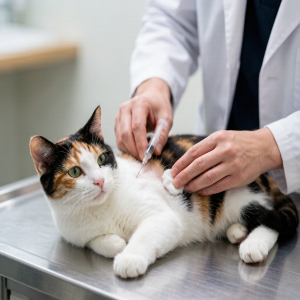
Feline Leukemia: Symptoms and Treatment
Feline AIDS and feline leukemia are topics owners avoid; clinically similar yet different. There is a separate article on feline AIDS for those interested.

Feline AIDS (FIV): Symptoms and Treatment
Feline AIDS (FAIDS) is a contagious disease in cats caused by Feline Immunodeficiency Virus (FIV), which attacks the immune system and makes cats more vulnerable to other infections.

Why You Shouldn’t Feed Your Cat from a Plastic Bowl
Some plastic bowls leach BPA and phthalates into food when warmed or greased, risking long-term endocrine and liver harm. Scratched plastic also harbors bacteria that cause feline acne (black chin), and some cats are allergic to the material itself. Safer choices are lead-free ceramic, food-grade stainless steel (304/316), or glass.

Is It Safe to Drink Water a Cat Has Licked?
For a healthy adult, an occasional sip of water a healthy cat has licked is low risk — your immune system handles small amounts of bacteria. Avoid it when the cat is sick (stomatitis, gingivitis, vomiting, or diarrhea), when you are immunocompromised (elderly, children, pregnant, diabetic, or living with HIV), or when the water is heavily contaminated. If you accidentally drink it and feel fine, just hydrate well — no panic needed.