Search Results
36 results for “feline rhinitis”

Why Does Your Cat Sneeze Often?
Cat sneezes come from a common cold (clear mucus, normal temp), allergic rhinitis (pollen, dust; tears and cough), or highly contagious cat flu (thick mucus—isolate and treat). Take sneezing seriously.

Upper Respiratory Diseases in Dogs and Cats: Types and Treatment
Upper respiratory disease is common in dogs and cats, with sneezing, tearing, low appetite, and breathing trouble, and it often triggers secondary infections. This guide covers colds, nosebleed, rhinitis, laryngitis, and tonsillitis, with the drugs that help each.

Common Causes, Symptoms and Treatment of Pet Colds
Pets catch colds easily — usually from chills (season changes, baths, drafts, rain, cold floors) or low resistance. A plain cold can worsen into something serious, so treat it early. Never give human cold medicine (acetaminophen is toxic to dogs and cats); use pet-specific drugs. Learn the warning signs that separate a cold from pneumonia, rhinitis, feline herpesvirus (cat flu) or distemper.
Why is a cat panting?
Cat panting can come from respiratory disease, cold, rhinitis, bronchitis, or cardiopulmonary disease. For example, feline rhinotracheitis virus causes panting, cough, runny nose, and rapid breathing, even fainting. If it persists, take the cat to a vet for targeted treatment.
My three-month-old cat had a severe vaccine allergy before and I don’t plan to vaccinate it anymore, but it has sneezed several times a day since 50 days old, though everything else is fine. When can I bathe it? It’s been half a month since the allergy.
Bathing an unvaccinated, previously allergy-prone cat risks lowered immunity and illness, so vaccinate first if possible by identifying the allergen. Chronic sneezing may signal rhinitis or cat flu; get it checked before bathing.
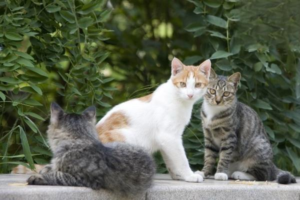
Is a Cat’s Repeated Sneezing a Sign of a Cold?
Is a cat's repeated sneezing a cold? The answer: not necessarily. Many things can make a cat sneeze, air pollutants, allergens, and more. What should you do if your cat keeps sneezing? Our pet care specialists explain the causes and solutions.

What to Do When Your Cat Has Mouth Sores (and Which Medicine to Use)
Mouth sores in cats are often caused by calicivirus or dental disease. If eating is affected, see a vet to confirm the cause before medicating, to avoid dehydration and low blood sugar from prolonged fasting.
Black material around the cat’s eyes
Black matter around cat eyes may be excess discharge and conjunctivitis. With respiratory signs suspect feline herpes (cat flu); clean at home and see a vet. Use an Elizabethan collar.

Why Does a Cat Breathe Loudly (Heavy Breathing)?
A cat's loud breathing can be normal a relaxed cat purrs and breathes heavier but if it comes with other signs the cat is likely ill. Causes: relaxation, flat-faced breeds, nasal objects, simple congestion, cold or URI (sneezing, runny nose), feline rhinotracheitis or virus (cough, tears, fever), or long-term rhinitis. Clear mild cases; see a vet for cough, tears, or fever.

Cat Sinusitis: Causes, Symptoms, and Treatment
Cat sinusitis is common, usually from bacteria, viruses, fungi, or irritants, causing sneezing, nasal discharge, congestion, breathing trouble, snoring, red watery eyes, poor appetite, and lethargy. Severe cases show blood-tinged, foul-smelling discharge and may lead to brain complications. Treatment depends on cause and severity: bacterial cases need antibiotics, viral cases antivirals, plus nasal flushing and a cleaner environment.
- « Previous
- 1
- 2
- 3
- 4
- Next »