Search Results
177 results for “feline respiratory infection”

Why Your Cat Breathes Loudly
Loud breathing in cats can be completely normal, a relaxed cat often purrs or pants slightly in heat, but it may also signal a respiratory infection or illness. Identifying accompanying signs such as nasal discharge or lethargy helps you decide when veterinary care is needed.

What to Do About Cat Stress (Stress Response)
Stress weakens a cat's immune system and can trigger bladder, gut, and breathing problems along with anxiety. A calm environment, a safe hideaway, and patience help; good early socialization prevents much of it.
What to Do When Your Cat Has Cat Flu
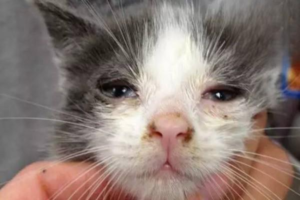
Cat flu (feline rhinotracheitis) is often mistaken for a cold but is a viral upper-respiratory infection that can kill if ignored, especially in kittens. Antiviral and lysine support plus a clean, low-dust environment are the main care steps.

How to Treat a Sneezing, Congested Cat
A cat that only sneezes usually needs no medication, but added symptoms change the picture. Allergies, a chill, viral rhinotracheitis, or a nasal foreign body each call for a different fix — and persistent sneezing with discharge means a vet visit.

Why Is My Cat Breathing With Its Mouth Open?
Open-mouthed breathing has both normal and disease causes. Heat, exertion or fear can explain it, but otherwise it usually signals a blocked or inflamed airway such as a cold or feline rhinotracheitis. Persistent cases with fever or eye discharge need a vet.

Why Is My Cat Shivering on and Off?
Intermittent shivering is not normal and usually means your cat is cold, unwell, or dealing with something more serious. A cold is the common cause, but lingering tremors can signal nutrient gaps or a neurological problem. Persistent or unexplained shaking should be checked by a vet.

Cat Has Had Yellow Nasal Discharge for Six Months
Persistent yellow nasal discharge in cats usually points to a chronic upper-respiratory infection such as feline viral rhinotracheitis, or less commonly pneumonia. When the symptom has lasted six months, the condition is well established and needs a proper veterinary work-up rather than guesswork. Supportive home care can ease discomfort, but lasting or recurring discharge warrants diagnostic testing.
- « Previous
- 1
- …
- 16
- 17
- 18