Search Results
20 results for “feline panting”
Found it vomited today; no other signs by day, now tongue out panting, after panting still humming, red eye discharge and tears but not red yet, yellow sticky stuff on nose; is it feline rhinotracheitis, can I medicate?
Your description may fit rhinotracheitis but not certainly; further tests are needed. Rhinotracheitis is an acute upper respiratory infection from feline herpesvirus with sneezing, cough, runny nose, more eye discharge. It resembles a cold and needs PCR to confirm. With panting, tongue out, and vomiting, first check for abdominal breathing and fever, and rule out heart/lung issues like acute pulmonary edema or heart disease.

Complications of Feline Kidney Failure
Feline kidney failure brings complications across nearly every body system - nervous, skeletal, digestive, respiratory, cardiac, metabolic, and skin. Recognizing them guides effective treatment and raises the chance of recovery.

Pre-Death Symptoms of Feline Infectious Peritonitis (FIP)
Feline infectious peritonitis (FIP) comes in wet and dry forms. As with any animal, a cat shows certain typical changes near death. Here is what to expect.

Can Feline Bronchial Asthma Be Cured?
Feline bronchial asthma, also called allergic bronchitis, is a common chronic respiratory disease in cats. With timely treatment it rarely threatens life, but the chance of a full cure is low — it may last a lifetime, though it can be well controlled with medication.

What Is Feline Hypertrophic Cardiomyopathy?
Feline HCM is a common, life-threatening heart disease whose signs range from none to sudden collapse. Learn its symptoms, known causes (genes, thyroid, blood pressure), and how it is diagnosed.

Feline HCM: The Silent Killer of Cats
Hypertrophic cardiomyopathy is the most common — and most hidden — heart disease in cats. It can strike any breed or age, often found only at a late stage. Learn what it is, why it happens, its signs, and daily care that helps.
Why is a cat panting?
Cat panting can come from respiratory disease, cold, rhinitis, bronchitis, or cardiopulmonary disease. For example, feline rhinotracheitis virus causes panting, cough, runny nose, and rapid breathing, even fainting. If it persists, take the cat to a vet for targeted treatment.
My kitten’s first bath was followed by heavy panting and drooling; the vet said pulmonary edema. It has had six shots and 9.5 hours of oxygen and is still on oxygen at home.
Pulmonary edema is serious with hard breathing and fever; oxygen is essential, and a quiet space eases heart-lung burden. Drugs like aminophylline and furosemide help but follow the vet.
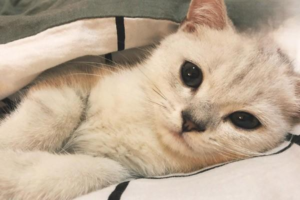
How to Prevent Heatstroke in Cats
Cats can overheat when confined in hot, poorly ventilated spaces; their thermoneutral zone is about 30–36°C, and indoor heat can exceed that. Signs include panting, 'greasy' sweaty paws, drooling, red mucous membranes, and collapse. Prevention is cooling and hydration; severe cases with seizures or coma need urgent veterinary care.
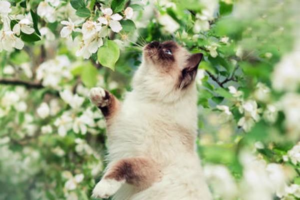
How Weather Affects Your Cat’s Mood and Health
Cats feel weather as keenly as people do, storms, cold, heat, and humidity all shift their mood and health. Watch for heatstroke and hypothermia in extremes, and keep the home between 20 and 25 C with sun, warmth, and steady routine.