Search Results
13 results for “feline memory”

Symptoms of Dementia in Cats (Feline Cognitive Dysfunction)
Common signs of feline dementia include memory loss, behavior changes, social withdrawal, altered vocalization, poor grooming and litter habits, declining senses, appetite or weight shifts, and disorientation. A vet visit is needed for diagnosis; while there is no cure, medication, diet, and enrichment can ease the symptoms.
Is Your Cat Smart? Simple Tests and How to Boost Feline Intelligence
Cats, like people, vary in problem-solving speed and learning ability. You can gauge yours at home with three lighthearted tests: a "sock test" (how fast it frees itself), a "treat test" (whether it figures out how to reach a snack from an OK-sign hand), and a litter-box test (how it reacts to an un-scooped box). Some breeds, such as Siamese, Bengal, Ragdoll, and Maine Coon, are known for sharper social or spatial skills. To nurture intelligence, spend 30 minutes daily on hunting-style play, offer puzzle feeders, and rotate furniture layout, but keep training gentle to avoid stress.
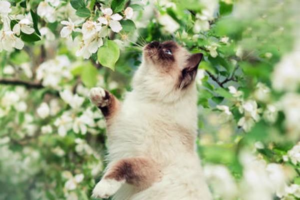
How Weather Affects Your Cat’s Mood and Health
Cats feel weather as keenly as people do, storms, cold, heat, and humidity all shift their mood and health. Watch for heatstroke and hypothermia in extremes, and keep the home between 20 and 25 C with sun, warmth, and steady routine.

Selkirk Rex
The Selkirk Rex, English name Selkirk Rex, is one of the newest natural breeds, evolved from domestic cats. First from Wyoming, USA, cross-bred with Persians to develop its traits, it can be crossed with Persians, Exotic Shorthairs, British and American Shorthairs. Free of genetic diseases, it is a very healthy cat distinguished by its fully curly coat—even the whiskers curl.

Why Do Cats Stare at the Wall?
It is normal for a cat to stare at a blank wall - it may have seen or heard something that caught its attention. An occasional episode is usually nothing to worry about, but if your cat stares at the wall often and shows other unusual behaviors, take it seriously and have a vet check it to rule out illness.

Why Are Cats Afraid of Cucumbers?
Many cat owners are puzzled by the now-familiar sight of a cat leaping away from a cucumber placed nearby. This fear usually stems from a combination of instinct, vision, smell, and learned experience. Cats are naturally alert and cautious around sudden, unexpected objects, and a long green cucumber can trigger a strong startle response—some cats even mistake it for a snake. Their highly sensitive noses may also react to the vegetable's scent. A bad past encounter can create a lasting phobia. Understanding these triggers helps owners avoid deliberately scaring their cats, since such shocks can cause real stress and even illness.

How Long Can a Cat with Dementia Live?
Feline dementia (Cognitive Dysfunction Syndrome) does not kill directly, but its complications shorten life. Mild cases (occasional confusion, sleep disruption) often live 3–5 more years with good care; moderate-to-severe cases (loss of self-care, refusal to eat, disorientation) may survive only 2–3 years; if chronic kidney or heart disease is also present, just 1–2 years. Japanese clinical data show cognitive training and a stable environment can extend life by 47%. Watch for the DISH signs—Disorientation, Interactions lost, Sleep flips, House-soiling—and support the cat with a low-stimulus home, short brain games, and targeted nutrition.

Are Cats as Smart as Dogs?
By the numbers, cats and dogs have similar intelligence, but cats don't follow commands because they are solitary, not pack, animals. Cats also age cognitively, with dementia showing as repeated eating and wandering; strong conditioning, like racing to the food-bag sound, proves their learning. Instinctive reflexes, such as crying when cold, also reveal smart survival wiring.
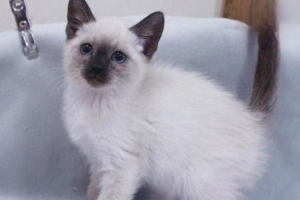
Caring for a Cat with Dementia
As cats age, odd behaviors may signal cognitive decline or brain atrophy. Watch for big swings in appetite, litter-box confusion and accidental soiling, sudden personality changes or aggression, and broken sleep. These warrant a prompt vet visit to find the right plan.

How Cats Recognize Their Owners
Cats identify their person through several senses at once. Their vision is poor and near-sighted, so they rely more on motion than on faces. A keen sense of smell lets them remember your scent, and sharp hearing picks out your unique voice. Sensitive paw pads register the vibration of your footsteps, and memory of your habits and gestures seals the recognition. Building the bond takes daily feeding, play, and reward-based correction rather than punishment.