Search Results
32 results for “feline kidney”
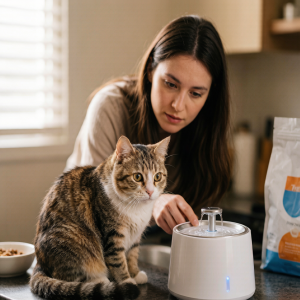
Chronic Kidney Disease in Cats: Symptoms and Treatment
Chronic kidney disease is common in cats and a leading cause of death, mainly because cats drink little, staying dehydrated and stressing the kidneys until function is slowly lost.

Feline Infectious Peritonitis (FIP): Symptoms and Treatment
FIP has always been one of the feline diseases that owners are very wary of, not only because of high medical costs but also because the cat may lose its life because of it. This article mainly helps everyone correctly understand feline infectious peritonitis, as well as how to diagnose and prevent it, and view FIP with a scientific attitude.

Diseases with Symptoms Similar to Feline Liver Failure
Liver failure is an abnormality that occurs when the liver is affected by impaired blood flow, reduced oxygen supply, hepatotoxic drugs or chemicals, excess heat, or infectious agents. Liver failure can occur in dogs and cats of all ages and breeds. It may affect multiple organ systems, including the liver and gallbladder, nervous system, gastrointestinal tract, and blood system. Affected pets may show various symptoms, including anorexia, lethargy, depression, vomiting, diarrhea, seizures, abdominal fluid accumulation, bleeding, and jaundice (yellowing of the skin).
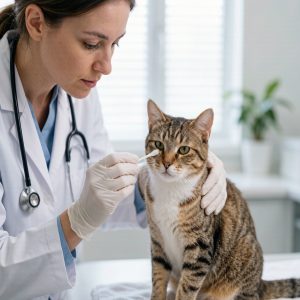
What to Do for Feline Liver Failure
The veterinarian will perform various tests to diagnose liver failure and rule out other diseases that may cause similar symptoms. Obtaining a complete history, describing clinical signs, and a thorough physical examination are all important methods for reaching a diagnosis. In addition, a liver biopsy is necessary in some cases to obtain a definitive diagnosis. Your veterinarian may recommend the following tests to rule out other diseases and confirm the diagnosis of liver failure.
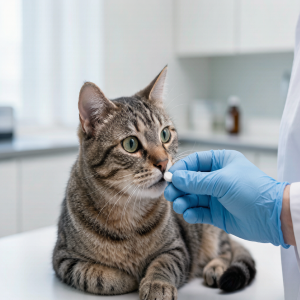
Treatment of Feline Hyperthyroidism
Treating feline hyperthyroidism may involve one or more of several approaches, starting with medication. This article covers methimazole, surgical thyroidectomy, radioactive iodine (I-131) therapy, and supportive follow-up care.

Symptoms and Diagnosis of Feline Hyperthyroidism
Hyperthyroidism is a very common disease in older cats and produces a range of symptoms. This article describes the clinical signs and the diagnostic tests, including T4, free T4 by equilibrium dialysis, chest X-rays, and technetium-99m scans, used to confirm it.

Diagnosis and Treatment of Feline Hypertrophic Cardiomyopathy
Hypertrophic cardiomyopathy (HCM) is a form of heart muscle disease in cats. This article lists conditions that mimic HCM, the diagnostic tests used to confirm it, including echocardiography, and the medical and home-care approaches to treatment.

How Long Can a Cat with Dementia Live?
Feline dementia (Cognitive Dysfunction Syndrome) does not kill directly, but its complications shorten life. Mild cases (occasional confusion, sleep disruption) often live 3–5 more years with good care; moderate-to-severe cases (loss of self-care, refusal to eat, disorientation) may survive only 2–3 years; if chronic kidney or heart disease is also present, just 1–2 years. Japanese clinical data show cognitive training and a stable environment can extend life by 47%. Watch for the DISH signs—Disorientation, Interactions lost, Sleep flips, House-soiling—and support the cat with a low-stimulus home, short brain games, and targeted nutrition.
Why Cats Develop Uremia (and How to Prevent It)
Uremia occurs when kidney damage stops a cat from clearing waste and toxins, which then build up and harm the body. Causes include age-related decline, unbalanced nutrition, and low water intake, while other illnesses can also damage the kidneys. Watch for changes in urination frequency and volume, dark or cloudy urine, and appetite loss, weight drop, vomiting, or dehydration. Prevention centers on high-quality food, plenty of fresh water, a clean environment, and regular checkups and vaccinations; treatment involves medication, fluid therapy, and nutritional support.
Does Abdominal Fluid in Cats Always Mean FIP?
Fluid in a cat's abdomen, or ascites, is a sign—not a diagnosis. It can stem from liver or heart disease, kidney failure, malnutrition, or peritonitis caused by infection, viruses, or injury, and only one of those causes is feline infectious peritonitis (FIP). Because the symptom alone cannot confirm FIP, diagnosis needs bloodwork, imaging such as X-ray or ultrasound, and viral testing. If your cat shows a swollen belly, lethargy, fever, or breathing trouble, see a veterinarian promptly to find the real cause.
- « Previous
- 1
- 2
- 3
- 4
- Next »