Search Results
29 results for “feline keratitis”
Cat Upper Respiratory Infection: Symptoms and Treatment
A cat upper respiratory infection is inflammation of the mucous membranes of the upper airways. Affected cats typically cough, sneeze, and have a runny nose, sometimes with yellow nasal discharge, and a sudden drop in temperature, poor nutrition, or stress can trigger an outbreak. The usual culprits are viruses such as herpesvirus and calicivirus, bacteria such as Chlamydia, and fungi such as Cryptococcus. This article covers the common pathogens, how viral, bacterial, and fungal infections differ in their signs, what else can mimic these symptoms, and the supportive care and medications veterinarians rely on to treat them, from keeping the eyes and nose clear to antiviral, antibiotic, and antifungal therapy.
Can a Cat Die from a Cold?
A cat's cold is usually not fatal if it stays mild, but ignoring it—letting a secondary virus take hold or failing to care during an outbreak—can indeed be deadly. Viral and bacterial colds are the dangerous ones; feline herpesvirus (cat flu, or rhinotracheitis) is the common viral form, and stray cats left untreated can die, while house cats should see a vet for targeted treatment. Later signs include thick nasal discharge, weeping or cloudy eyes, conjunctivitis, constant sneezing and cough, lost appetite, and low spirits. Prevention centers on vaccination against herpesvirus (though vaccines aren't 100% effective) plus disinfecting the environment, since the virus survives about 24 hours. Keep a sick cat warm—the virus replicates better at low temperatures.

What causes tear stains in cats?
Cat tear stains can arise from diet (too salty or greasy food), genetics (flat-faced breeds with blocked tear ducts), or eye diseases like conjunctivitis and ingrown lashes. Proper treatment depends on identifying the specific underlying cause.
What eye drops should I use for a cat with inflamed eyes?
Feline eye inflammation has many causes — common ones are conjunctivitis, keratitis, and corneal ulcers. For simple conjunctivitis, use drops with levofloxacin or neomycin sulfate; for keratitis or corneal ulcers, use drops that aid corneal healing plus proper treatment.

What to Do About Eyelid Entropion in Cats
Eyelid entropion in cats means the eyelid rolls inward toward the eye; the hairs then irritate the eye, causing corneal damage, tearing, and potentially keratitis or corneal ulcers.
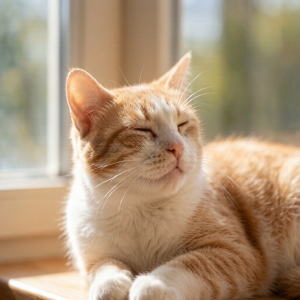
What to Do When Your Cat Sneezes
Cats, like people, sneeze and cough when they have a cold, but sneezing alone does not confirm a cold.
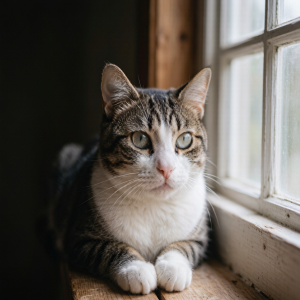
What Eye Diseases Can Cats Develop?
The eyes are the windows to the soul; a cat's agility and charm are thanks to its eyes. Today we discuss feline eye diseases.

Is My Kitten’s Red Eye an Infection?
A young kitten's red, inflamed eye usually comes from a weak immune system or a bacteria-heavy environment. See a vet early and use a vet-recommended eye drop, while keeping the kitten's space clean and warm.
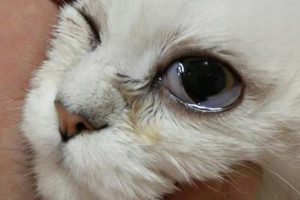
What Illness Causes a Cat to Tear Constantly?
Constant tearing usually signals an eye problem or body issue — infection, a cold, keratitis, blocked tear ducts, or feline herpesvirus (cat flu). Long facial hair, salty food, and injury also trigger it. A low-salt diet, gentle cleaning, and vet-prescribed drops manage most cases.
- « Previous
- 1
- 2
- 3