Search Results
39 results for “feline idiopathic cystitis”
How to tell if a cat has a urinary tract infection?
UTI signs include frequent urination, blood in urine, inappropriate urination, and straining, but other diseases share these symptoms. Diagnosis needs urinalysis, ultrasound, X-rays, and cultures. Risk rises after age 8.
How to Treat a Cat That Suddenly Urinates Frequently but Only a Little Each Time?
Frequent small urinations suggest urinary disease—commonly FIC, urethritis, bladder/urethral stones, prostatitis, or kidney disease. Before full blockage, get urinalysis and X-ray to check for stones; severe stones need surgery plus stone-dissolving, diuretic, and anti-inflammatory drugs. Pure lower-UT inflammation needs only diuretics and anti-inflammatories; encourage water intake.

How to Quickly Treat a Cat With Urinary Blockage
Feline urinary blockage is an emergency—caused by urethral stones, urethritis, enlarged prostate, tumors, or stress-induced cystitis—where urine can't pass and the bladder over-distends. Get to a vet fast for IV fluids, catheterization (or bladder tapping), urine tests, and possibly surgery or meds; prevent it with plenty of water, a calm home, and neutering males.
Why does my cat urinate frequently but only pass a little each time?
Frequent, scanty urination suggests cystitis, urinary stones, urethral spasm or blockage, especially in males. Stress or low water intake also contributes. See a vet promptly.

Cat Stress: Signs and What to Do
Basic knowledge about stress reactions in cats.

Cat Blood in Urine (Hematuria): Causes and Care
Blood in a cat's urine usually points to inflammation or blockage in the urinary tract — most often chronic cystitis or urethral stones. Keep the litter box clean, push water intake, and choose low-ash, low-magnesium food; see a vet to confirm the cause.
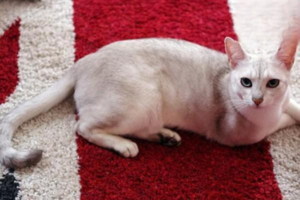
Why Is Your Cat Peeing Frequently? Causes
Frequent trips to the litter box with long squatting, sometimes with blood, signal feline pollakiuria. Causes range from disease and pregnancy to diet, heat, age, and stress; diagnosis and treatment depend on the cause.
My cat has been unable to urinate or defecate for over a day
Urinary blockage is usually a urinary disease (often idiopathic cystitis or stones); no stool may link to not eating or constipation. Needs vet care: catheter, fluids, anti-inflammatory, pain relief. Stones need dissolving meds and prescription food.

6 Common Cat Diseases and How to Prevent Them
Cats hide pain well and can't tell you what's wrong, so owners need a basic grasp of common feline illnesses. Beyond regular checkups and vaccines, know the warning signs of the six frequent problems: urinary tract disease, respiratory infection, periodontal disease, parasites, ringworm, and ear mites. This guide summarizes each condition's symptoms and the everyday prevention that matters most—more water, less stress, dental care, deworming, and a clean, dry environment.
- « Previous
- 1
- 2
- 3
- 4