Search Results
93 results for “feline gastroenteritis”
Cat Has Diarrhea with White Worms — What to Do
Diarrhea with white worms means parasites are overrunning the gut, usually from missed deworming or from raw food. Deworm the cat, stop the raw diet, and keep its bowls and bedding clean — and if diarrhea lingers after deworming, rule out gastroenteritis.
Why Your Cat Vomits Yellow Foamy Liquid
When a cat vomits yellow fluid, there is surely a stomach or intestine problem. There are many causes - mild and severe. Generally causes include gastroenteritis, intestinal parasites, viral infection, and nervous system disease and liver-kidney-pancreas problems. For such complex causes, generally judge by the cat's symptoms to know the reason, so as to treat correctly. Today we discuss several causes of cats vomiting yellow fluid.
Diseases Cats Are Prone to in Winter
Winter weakens a cat's defenses, raising the risk of three problems: panleukopenia (distemper) — highly contagious, often fatal in kittens, prevented by vaccination; feline herpesvirus (cat flu) — carried silently, deadly when it flares in the cold; and chill-driven vomiting/diarrhea that can become gastroenteritis. Keep up vaccines and nutrition, stay warm, and limit winter baths to once every one to two months.

What Is Inflammatory Bowel Disease in Cats?
Feline IBD is a chronic gut disease where inflammatory cells thicken the intestinal wall and block nutrient uptake, showing as persistent vomiting and diarrhea that won't resolve. Food allergy is the top trigger, with bacteria, parasites, and stress as contributors — so pinpoint and drop the offending food.

Common Illnesses and Symptoms in Kittens
Kittens have weak immunity, so watch daily for dullness or odd behavior. Beware parvovirus, gastroenteritis, rhinotracheitis, ringworm, and ear mites, all serious and contagious, needing prompt isolation and a vet.
Causes and Treatment of Clear Mucus in Cat Stool
Clear mucus in a cat's stool can mean gut trouble, intestinal parasites, or panleukopenia, and ignoring it can lead to worse illness. Parasites from raw food and missed deworming need a dewormer or fecal test; diet-driven gastroenteritis calls for a short fast, then cat-specific anti-inflammatories and probiotics; and yellow-green vomit with repeated fever points to panleukopenia, which needs a vet at once.
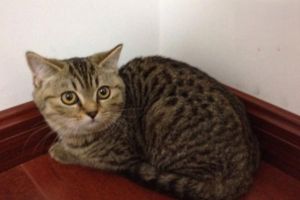
Can Cats Get a Fever?
Yes, cats do get fevers, though their naturally higher body temperature makes it hard to spot. Watch for a dry, hot nose, warm ears and tail tip, lethargy, and heavy drinking, and confirm with a rectal thermometer reading.
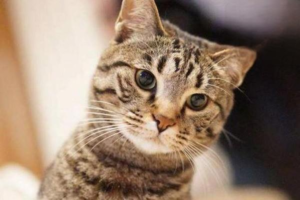
Why Is Your Cat Having Diarrhea and How to Treat It
Before reaching for medicine, rule out simple causes — a dirty water bowl, spoiled food, a chilly room (keep it near 26°C), a too-fast food switch, a grain allergy, or stress. If diarrhea persists despite a cat probiotic, suspect parasites and deworm; if it worsens within a day or two with vomiting, it could be something serious like panleukopenia and needs a vet immediately.

Essential Supplies to Prepare Before Getting a Cat
Setting up before a cat arrives saves stress. Must-haves: a proper cat food (match its current brand, plus kitten formula and bottle if it's unweaned), a litter box with high-sided, low-entry design and tofu litter, ceramic or stainless bowls with a running-water fountain, a coat-appropriate brush, and a deworming plan (internal every 1–3 months, external monthly for outdoor cats).
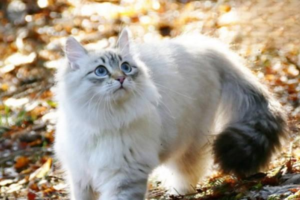
Why a Cat Still Has Blood in Its Stool After Probiotics
Blood in a cat's stool usually means intestinal parasites or gastroenteritis (often feline coronavirus), not a probiotic deficiency. Deworm and sanitize for parasites; use an anti-diarrheal plus probiotics for gut inflammation. If bleeding persists despite a quality live probiotic, the case is too severe for probiotics alone.