Search Results
32 results for “feline behavior”

Canine and Feline Brain Tumors
Brain tumors in dogs and cats are most often meningeal or glial tumors that appear in middle-aged to older pets, with some breeds such as Boxers and Bulldogs overrepresented. They compress brain tissue and cause gradually worsening neurological signs including behavior changes, circling, head tilt, blindness, and seizures.

Canine and Feline Ovarian Tumors
Ovarian tumors are uncommon in dogs and cats and usually arise as a primary growth, most often a granulosa cell tumor in older females. Hormone-secreting types cause persistent estrus, while others simply enlarge the abdomen; surgery is typically curative.

Canine and Feline Androgen Excess
Androgen excess is an overproduction of male hormones from testicular tumors or other causes, causing heightened sexual behavior and symmetric hair loss. Surgical removal of the affected testicle is usually curative.

Canine and Feline Estrogen Excess
Estrogen excess happens when the ovaries overproduce estrogen or estrogen is given in excess, leading to symmetric hair loss, skin changes, and reproductive-tract problems. It is corrected by stopping the source and, in tumor cases, surgical removal.
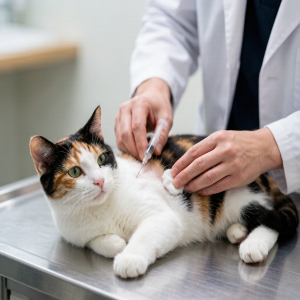
Feline Leukemia: Symptoms and Treatment
Feline AIDS and feline leukemia are topics owners avoid; clinically similar yet different. There is a separate article on feline AIDS for those interested.
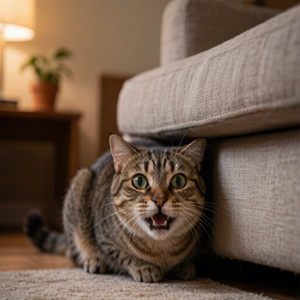
Causes of Feline Phobias
Fear is a normal response to threatening stimuli, but when it becomes excessive and irrational it crosses into phobia. This article explains the possible triggers of feline phobias, how they develop through innate and learned pathways, the sensitive period of kitten socialization, and how to prevent fear from becoming a lifelong problem.

How to Break Your Cat of Bad Habits
The top complaints about cats are inappropriate litter box habits, furniture scratching, and aggression—most rooted in normal feline behavior. With patience and the right setup (clean box, sisal scratching post, proper play), these problems are solvable or preventable.

How to Help Pets and Children Get Along
For a family with children, the balance between owner and pet can become very difficult. The house gets more crowded, and even well-behaved pets can sometimes become highly stressed. This article shares expert advice on introducing dogs and cats to children and keeping a harmonious home.

Do You Grow to Hate Your Cat?
Every cat owner can list a hundred reasons to be annoyed — soiled beds, sofa scratches, a terrible temper. The difference is whether you respond by learning about the cat or by giving up on it. One owner's story of her hardest cat shows why the bond wins.

Signs Your Cat Is Unhappy — and What to Do
Cats express discomfort in subtle ways that are easy to miss — changes in voice, appetite, grooming, or hiding. Learning these behavioral clues and how to respond calmly protects both your cat's mental health and your bond.