Search Results
14 results for “feline aggression”

Canine and Feline Brain Tumors
Brain tumors in dogs and cats are most often meningeal or glial tumors that appear in middle-aged to older pets, with some breeds such as Boxers and Bulldogs overrepresented. They compress brain tissue and cause gradually worsening neurological signs including behavior changes, circling, head tilt, blindness, and seizures.
Causes of Feline Phobias
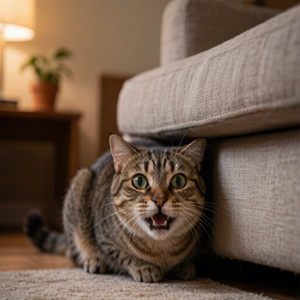
Fear is a normal response to threatening stimuli, but when it becomes excessive and irrational it crosses into phobia. This article explains the possible triggers of feline phobias, how they develop through innate and learned pathways, the sensitive period of kitten socialization, and how to prevent fear from becoming a lifelong problem.
What to Do When Your Cat Is Too Aggressive
Unlike dogs, cats won't obey blindly; their independent nature means a small mistake can bring gentle retaliation. Some owners are baffled about how they upset their cat. This article explains what triggers feline aggression, from fear and threat to pain and illness, and how to train a cat out of biting and attacking.

How to Prevent Cats from Fighting Each Other
Understanding the underlying cause of feline aggression and addressing it early is key. Cat aggression falls into five types—territorial, fear-based, pain-related, play, and redirected—and each responds to specific environmental changes. Spaying/neutering, pheromones, and enough resources also help.

What Are the Signs of Stress in Cats?
A stressed cat may over-groom, shed heavily, seem listless, eat less, or urine-mark—and some grow aggressive, irritable, or clingy. Ease stress with interactive play (wand, laser, catnip, sniff mats), a warm quiet stable home without moved furniture or frequent moves, fixed feeding times, enough resources, and a vet if anxiety persists.
Bringing Home a Stray Kitten? A Complete New-Owner Checklist
A found kitten needs a vet check and a 1–2 week quarantine before meeting resident pets, then a schedule of deworming, FVRCP + rabies vaccines, and neutering. Set up a quiet space with hideaways, feed by age (formula → softened kibble → kitten food), and start litter and socialization training early. Patience beats force at every step.
Helping a Cat Through Moving Stress
After a move a cat may hide, pant, stop eating, or even develop feline idiopathic cystitis from stress. Set up a quiet 'safe base' with its familiar bed, toys, and scent, run a synthetic pheromone diffuser, and speak and pet gently without forcing it out. If it refuses food and water over 24 hours, vomits, strains to urinate, or breathes fast with pale gums, see a vet — adapting can take 1–2 weeks.

Yes, Cats Get Jealous: 5 Signs to Watch For
Cats may look aloof, but they do feel jealousy, rooted in a strong sense of ownership. When a new pet arrives or you focus on another animal, a cat may fixate on the "rival" while emitting a low growl. Some cats act out by spraying, destroying things, or fighting; others go quiet, hide, and refuse food. That withdrawal reflects sadness and anxiety, and if ignored it can harm health, lowering immunity, causing weight loss, or triggering feline idiopathic cystitis. The good news is that jealousy means your cat cares; more one-on-one time and a slow introduction of newcomers resolve most cases.
Health Check and Prep Before Bringing a New Cat Home
Before a new cat comes home, a health check is the smart first step, plus a few daily supplies once it arrives. A pre-purchase exam, blood and stool tests, and X-rays map out the kitten's condition. Then watch for the big early risks: panleukopenia, cat flu, ear mites, and gastroenteritis. Avoid baths or shaving unless a skin issue demands it, since the stress can trigger behavior problems and illness. Knowing the warning signs helps you act fast.
Cat Stress Reactions and How to Ease Them
Stress is the most common feline behavior problem and a driver of many diseases. Triggers include new homes, vet or grooming visits, noise, household changes, and resource competition in multi-cat homes. Signs range from acute fear to chronic hiding, over-grooming, and aggression. Ease stress with a calm space, play, pheromones, and a vet check.