Search Results
312 results for “feeding puppies”
How to feed newborn puppies?
Newborn pups are usually cared for by the mother; avoid over-handling so she feels secure. She cleans them and they find the nipple by scent; nudge a pup that cannot reach milk. If the mother's milk is low, use goat-milk formula: feed every 2-3 hours, then every 4 hours by week three.
How long should puppies drink mother’s milk?
Mother's milk is a puppy's best energy source, typically needed for about six weeks before gradual weaning. If supply is low, wean early using puppy formula. After weaning, continue formula and slowly mix in softened kibble; dry food can start at three months.
Can puppies eat sweet potato?
Yes, but not too much at once. Very young pups have immature guts, so puppy food should be the staple and other foods minimal. Sweet potato makes gas in the gut, so overfeeding causes bloat, vomiting or diarrhea — watch the stool and stop if soft/loose. Its starch and sugar also burden metabolism and oral health, so don't feed often.
What is a proper dog feeding schedule?
Dogs should be fed by age: puppies under 45 days old needing hand-rearing require feeding every 2-3 hours; those 45 days to 2 months get 5 meals a day; 2-3 months get 4; 3 months to 1 year get 3; and dogs over 1 year get 1-2. After age 7, seniors need smaller, more frequent meals (2-3 a day) as digestion slows.

When Can Puppies Be Weaned
Puppies are usually ready to wean at 4-6 weeks, when their immune, teeth, and digestion can handle solid food. Start with puppy mush (kibble softened in warm water or goat milk), then shorten soaking time until they eat dry food.

The Dangers of Feeding Bones to Dogs
Feeding bones to dogs can cause intestinal blockages, mouth injuries, nutritional imbalances, and constipation. If you do offer bones, choose large, hard varieties (never small or brittle ones like chicken or fish), boil them plain, and keep the amount and frequency low.

How to Care for Nursing Puppies
Caring for newborn puppies means watching for crushing and feeding in the first four days, then short sunny outings from day five, protecting unopened eyes until about day 13, freer activity after day 20 with warmth and nail trims, and deworming at one month. The goal: good nutrition, sleep, gentle activity, and hygiene.
Physiological Traits of Newborn Puppies
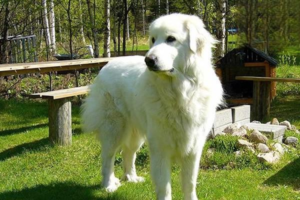
Newborn puppies are fragile and depend entirely on their mother. They can't stand at birth, regulate their own temperature, or control elimination, and their digestive and immune systems are still developing — they get early immunity only from the mother's colostrum, which drops sharply after 25 days. Good daily care means a warm, quiet nest, supplemental warming if the mother is absent, scheduled nursing with small frequent milk feeds, and daily checks of elimination. Watch for diarrhea and keep the umbilical area clean and disinfected with iodine to prevent infection.

Transient Hypoglycemia in Puppies
Transient hypoglycemia is low blood sugar in young puppies, especially small breeds, from poor reserves or cold and hunger. It causes weakness, cries, and seizures, and is fixed by warming, feeding, and glucose.

Neonatal Jaundice in Puppies (Neonatal Isoerythrolysis)
Neonatal isoerythrolysis is a blood-type mismatch in which a newborn ingests antibodies from the mother's first milk that destroy its own red cells, causing anemia and jaundice. Separating the puppy from the mother and bottle-feeding saves lives.