Search Results
13 results for “feeding lovebird”
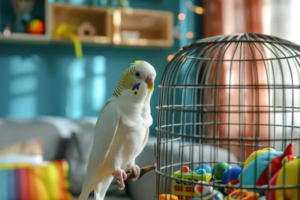
How to Care for a Lovebird
Use a sturdy metal cage (not wood - they chew and may escape), line the bottom with shavings or sand, and feed a balanced pelleted diet plus grains, fruit, and vegetables (avoid avocado and sugary or fatty human food). Feed by age - newborns every 1-2h, adults once daily - and change food and water daily. Give cooled boiled water in a shallow dish and keep them cool.
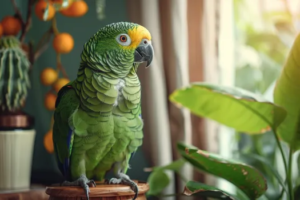
Can Lovebirds Talk?
Lovebirds rarely talk and are hard to train, though patience may teach a few simple words. They mimic other birds' and animals' calls instead. Talking breeds include budgerigar, Amazon, African grey, Derbyan, Alexandrine, Pacific, sun conure, and eclectus parrots.
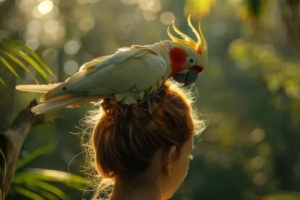
Why Won’t My Lovebirds Breed, and How to Trigger Mating
Plan breeding after one year of age, cap at three clutches a year (rest in summer), give 12+ hours of light and cuttlebone calcium, and know the ~21-23 day incubation and crop-milk feeding. Well-timed, these raise fertility and chick survival.
What does a newly hatched lovebird eat?
Newly hatched lovebirds have weak eating/digestion; feed specialized parrot formula for nutrition and growth. If none, use a corn and millet paste. They cannot eat on their own, so assist with a syringe or special spoon.
How long until lovebird eggs hatch?
Lovebird eggs hatch in 19 days. Chicks are blind and fragile for the first week; by 6-7 weeks they are fully feathered and self-feeding.

Grey-headed Lovebird
The Grey-headed Lovebird (Agapornis canus) is loved for its largely green plumage, its lifelong pair bonds, and its quiet nature compared with many other parrots. Native to Madagascar, it is a small, gentle, and shy companion bird.

Rosy-faced Lovebird
The Rosy-faced Lovebird is easily recognized by its head color, very similar to a peach. In the wild it often damages farmers' hard-grown crops, so it is driven away by local farmers.
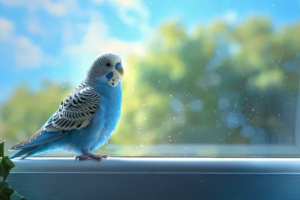
Keeping and Taming Lovebirds (Agapornis)
Lovebirds (Agapornis) are small, pretty, affordable African parrots that cannot mimic human speech clearly but copy other birds and animals well. Keep them in pairs or flocks in a sturdy cage, bathe them weekly in summer and dry in sun, and feed varied seed, millet, oyster shell, and fruit. For chicks, use wood-shaving bedding, keep warmth above 25°C, and build a call signal during feeding so they bond and recognize you.
How Long Can a Lovebird Live?
A lovebird's average lifespan is about 10-15 years, longer with good care. Lifespan depends on constitution, environment, and feeding method.
How long after hatching can a lovebird feed itself?
Lovebirds leave the nest at 35-40 days and need parent birds' help for 1-2 weeks before independent feeding. Feathers grow from day 8-9, eyes open 10-11, full feathers by 20, leave nest around 30; fully self-sufficient 1-2 weeks after. Hand-feed chicks with parrot formula every 3-4 hours.