Search Results
208 results for “feeding hay”

The Necessity of Feeding Hay to Rabbits
Eating hay is necessary for rabbits. Even if the rabbit food the owner usually feeds is good, hay must still be provided. Many people wonder why hay is so important to rabbits. Below we tell you about the necessity of rabbits eating hay. Why must pet rabbits eat hay?

Feeding Management for Rabbits by Life Stage
Rabbit feeding changes by stage: kits need colostrum within 10 hours and a warm dry box at 28-31°C, pellets start at 16-22 days, twice-daily junior formula at 40 days, and grass alongside feed at 60-90 days. Keep housing clean and dry and prevent coccidiosis, overeating, and diarrhea.

Vegetable Feeding Taboos for Guinea Pigs
Guinea pigs eat hay as staples but can have many vegetables—safe ones include lettuce, bell pepper, and cucumber; avoid pungent (garlic, onion), goitrogenic or gas-forming kinds (spinach, cabbage), and limit high-calcium or high-sugar types. When unsure, skip it.

What to Watch When Feeding Rabbits Different Feeds
Rabbit feeds include greens, pellets, roughage, and concentrates, each with rules: keep greens clean, mix legumes with grasses, avoid mold, feed tender young greens sparingly, and check for toxic plants. For roughage, understand drying methods—artificial high-heat hay keeps the most nutrients.
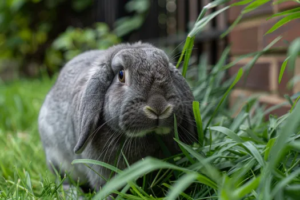
Rabbit Feeding Rules
The kit-to-juvenile stage needs extra care. Vaccinate at 30–45 days, feed weaned juveniles pellets four times daily in small amounts, limit greens for light kits, give breeding stock peanuts, and never use chicken or pig feed—only rabbit-specific pellets with alfalfa-based hay powder.

Feeding Kits Scientifically to Prevent Low Blood Sugar
Adult rabbits rarely go into low blood sugar or shock, but kits are most at risk because they need more nutrition. If a kit already shows symptoms, a vet trip is often too late - owners must give first aid. Here are the measures.
Feeding a Nursing Doe Rabbit
A doe nurses for about 35 to 40 days. Good milk needs the right feed and steady water. Here is how to manage a lactating doe's diet.

What to Do When a Rabbit Eats Only Pellets and Refuses Hay
Rabbits need hay for fiber, gut health, and teeth grinding. Refusal comes from taste preference, new environment, or poor hay quality. Fix it by cutting pellets gradually, offering varied hays (alfalfa, timothy, etc.), and keeping hay fresh. Watch intake, weight, and droppings.
What should you pay attention to when feeding a pet rabbit?
When feeding a pet rabbit, provide enough fresh grass, hay, or rabbit pellets as the staple, plus moderate vegetables and fruit like carrot and apple (avoid overly watery fruit). Rabbits need clean drinking water and a clean, well-ventilated environment to stay healthy.
I Always Fed Timothy Hay, but Ran Out; From Monday Night to This Morning I Gave Fresh Grass, Vegetables, and a Small Pack of Rabbit Pellets. Yesterday Afternoon It Ate Less, but Was Active at Night; This Morning It’s Lethargic, Lying Down, Not Eating, Tiny Sticky Smelly Droppings, Very Yellow Urine
Likely digestive disease from diet change or fresh greens. Poor appetite and lethargy = illness. Fast the rabbit, give little or no water, feed probiotics or lactase to regulate flora; then gradually return to old food, avoid greens and fresh grass. If no recovery, vet fecal exam for parasites or flora.