Search Results
623 results for “feeding guide”

Why Is My Dog’s Stool Soft or Unformed, and What Helps?
Soft, unformed stool in dogs has several causes, from a simple upset after the wrong food to gastroenteritis, parasites, or even a viral infection. The right response depends entirely on the cause, so guessing at medicine can waste time. This guide walks through the four common reasons—indigestion, gut inflammation, internal parasites, and viruses—and the matching treatment, from probiotics to a timely trip to the clinic.
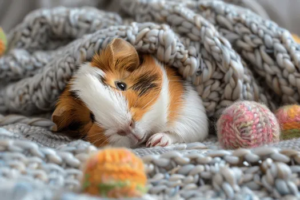
Signs of Internal Imbalance (“Heat”) in Golden Hamsters and What to Do
In small-pet care, "heat" describes a common imbalance in golden hamsters caused mainly by too many fatty, high-calorie treats like seeds, peanuts, and bread. It is not dangerous on its own, but it makes the hamster uncomfortable and can lead to constipation and obesity. The signs range from eye discharge to, in severe cases, prolapse and nosebleeds. The fix is dietary: cut the rich snacks, soften the food, and add a little cooling herb to the water. This guide explains the causes, symptoms, and treatment.

How to Prevent Parasite Disease in Turtles
Turtles can develop parasite disease, and the risk rises in the hot summer months, so prevention belongs in every keeper's routine. Common parasites—tapeworms, coccidia, roundworms, and others—live in the gut, lungs, liver, and more, stealing nutrients and weakening the turtle until it wastes away. Good hygiene, quarantining new arrivals, and prompt deworming are the core defenses. This guide explains the parasites, their symptoms, and the practical prevention and medication steps that keep your turtle healthy.

Causes and Prevention of Enteritis in Pet Turtles
Enteritis is one of the most common illnesses in pet turtles, and it usually starts with two problems: poor feeding habits such as overfeeding or spoiled food, and infection by bacteria, viruses, fungi, or parasites. The good news is that with the right treatment—stopping diarrhea, then restoring gut function, then refeeding—most turtles recover. Even better, a few steady husbandry habits around water, tank cleaning, and feeding can prevent most cases before they begin. This guide covers both treatment and prevention.

Special Nutritional Needs of Kittens
Kittens are not simply small adult cats. During rapid growth they need far more nutrition per pound of body weight—roughly twice the energy of an adult—to develop into strong, healthy adults. This guide walks through a kitten's two growth stages, explains why frequent small meals of a meat-based, easily digested formula work best, and covers the transition from kitten food to adult food around one year of age, including a gradual 5–7 day mixing period and portion control for indoor cats.

How to Care for a Netherland Dwarf Rabbit
Netherland Dwarf rabbits are active and need both proper housing and a sensible diet to stay healthy. Provide a cage of roughly 80×60×70 cm with soft bedding, safe toys, and chew sticks, and keep the environment at a stable temperature with low humidity, gentle light, and minimal noise. Feed mainly fresh hay (timothy, mixed, or alfalfa) for dental and digestive health, supplement with quality pellets, a little fruit and vegetables, and constant clean water—but control portions, since these rabbits gain weight easily. Build trust slowly through hand-feeding and gentle handling, and check coat, skin, eyes, ears, and teeth regularly.

Dog Food Safety: Harmful Foods to Keep Away from Your Dog
A healthy dog starts with a safe, balanced diet. The single most important rule is to keep harmful foods out of your dog's bowl. Certain everyday items—sharp cooked bones, too much animal liver, onions and garlic, chocolate, and allergenic seafood—can damage your dog's digestive tract or even prove toxic. Cooked bones can tear the stomach or intestine; excess liver causes vitamin A poisoning; alliums trigger the destruction of red blood cells; chocolate's theobromine is dangerous in quantity; and seafood often sparks allergic diarrhea. Learning these common dietary taboos helps you protect your dog from acute poisoning, internal injury, and chronic health issues, and keeps mealtime both safe and nutritious.

How Many Meals a Day Should Your Dog Eat, and How Much?
Feeding rhythm matters as much as the food itself. Puppies under a year need four down to three small meals a day to fuel growth without overloading the gut; adults do well on two; seniors return to three. Adjust for obesity, high activity, or sensitive stomachs. Portion size follows the bag's guide, then fine-tunes with stool quality, body size, and exercise. Match the plan to the dog, and you've got it right.

Cat CoQ10 Clinical Evidence: What a Real Comparison Shows
For high-risk breeds such as British and American Shorthair and Maine Coon cats, plus seniors, obese cats, and stress-prone cats, CoQ10 is a key heart nutrient — it supplies energy, fights oxidation, eases fatigue, and supports the heart against enlargement, exercise intolerance, and wheezing. But the category is uneven, and 'high content' claims mean little without proof. This guide explains the four points that matter, why palatability is a heart issue, and who should supplement.

Dog CoQ10: Test Data Beats the Hype
CoQ10 is a supplement, not a drug — it fuels the heart, fights oxidation, and slows myocardial aging, but it cannot replace medication for heart disease. For an 8-year-old dog that pants on walks and coughs at night, the first step is a vet, not a bottle. There is no single 'most reliable' brand, but a few practical checks separate a working product from an expensive guess. This guide lays them out.