Search Results
74 results for “feed safety”
What are the five big mistakes new dog owners should avoid?
New dog owners often make avoidable mistakes: skipping deworming, skipping vaccinations, over-bathing, feeding toxic human foods, and keeping the dog confined indoors. These habits can seriously harm a dog's health.
Pet CoQ10 Supplements Reviewed: Picking One That Genuinely Supports Heart Health
CoQ10 is a popular supplement for pets with heart conditions, but it supports heart function rather than curing disease. It helps the heart muscle generate energy, mildly slows heart failure, and supports immunity and vitality. Yet the market is full of weak or mislabeled products—industry figures suggest most pet CoQ10 labels either understate or omit the actual content, and some use industrial-grade raw materials. When choosing a supplement, look for verified CoQ10 content (ideally backed by independent testing), natural fermentation sources, and a clean antioxidant formula, matched to your pet's age, breed risk, and symptoms. Used alongside veterinary treatment, a quality CoQ10 can be a valuable part of heart care.
Will Changing Dog Food Hurt the Gut?
Why switch? Nutrition balance - eating one food forever risks deficiency; safety - some feeds use questionable 4D sources, unneeded flavor additives and heavy preservatives linked to chronic disease; and appetite - same taste daily breeds boredom (imagine burgers forever). Does switching hurt? A single-food gut makes narrow enzymes, so a sudden swap causes soft stool or diarrhea. The 7-day method fixes it: raise the new-food ratio daily until day seven is all new, avoiding digestive stress. Switch about every three months, or anytime if no reaction; mixing two foods for broader nutrition is fine. Picky eating comes not from switching but from rewarding refused food with tastier food - the dog learns refusal pays off.
How Long Do Monk Parakeets Live?
The monk parakeet, also called the Quaker parrot, is a popular medium-sized parrot that typically lives 15–20 years, and with good care some reach 25. Actual lifespan depends on diet, environment, genetics, and regular health checks. To help your bird live long and well, provide balanced food and fresh water, ample room to move, a calm and clean home away from harsh noise and light, and routine veterinary visits to catch illness early. Choosing a slightly older, sturdier young bird and meeting its daily needs are the best ways to support a healthy, lengthy life.
How to Care for a Hermann’s Tortoise as a Beginner
The Hermann's tortoise is a popular, beginner-friendly land tortoise, but new keepers still need to get the environment right. Aim for steady warmth—around 26–32°C by day, 18–21°C at night—using a thermostat to avoid swings, and keep humidity near 40–50%, adding moisture when the air is dry. Plenty of light matters: natural sun is best, while indoor setups need UVB and full-spectrum lamps to support appetite, digestion, and growth. Give the tortoise room to roam plus a hide for security, and wait three days after arrival before offering food so it can settle. A habitat that mimics nature is the foundation of good health.

How to Safely Break Up a Cat Fight?
Cats that live together may occasionally scuffle, but frequent or violent fights need intervention. The key is to protect yourself first—never use your hands—then redirect their attention or separate them, and address the root causes with fair resources and gradual reintroduction.
Tips for Traveling With Your Dog
Traveling with a dog takes preparation, but a few habits make the trip calm and safe. Before leaving, tire the dog with exercise so it rests in the car. Once on the road, stop every three to four hours to stretch, relieve, water, and play; avoid a big meal at stops so it does not need to toilet right after. Never leave a dog in a hot car, running the air conditioner if you must, with a spare key and a contact note on the dash. At your destination, keep the usual feeding and walking routine to give the dog a sense of order and ease.

Why Do Cats Vary So Much in Jumping Ability?
A cat's amazing leaps come from its unusual build: more bones and muscles than humans, with around 240 bones and over 500 muscles, plus long hind limbs and flexible joints that extend fully during a jump. Yet not every cat jumps well. Breed matters, with lazy types like Persians staying low while American Shorthairs are athletes, and so do body shape, weight, and condition. Obesity and weak constitution lower agility and raise diabetes and liver risks, and jumping fades with age as muscle and joints decline. Owners should not overestimate cats' abilities and should fit window guards to prevent falls from height.
How to Prevent Cat Diseases
Cats are vulnerable to illness, but not every disease is unavoidable. The best defense is a proactive daily routine that stops problems before they start. By keeping your cat clean, feeding a balanced professional diet, and staying consistent with vaccinations and parasite control, you dramatically lower the risk of common feline illnesses. This guide walks you through the three pillars of prevention so your cat stays healthy and your household stays safe.
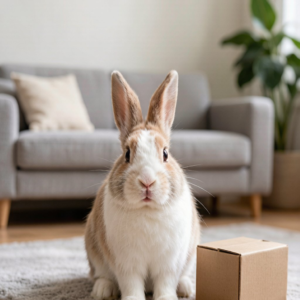
How to Help a Rabbit Adjust to a New Home
Rabbits are sensitive, so moving to a new home can make them tense and unsettled. Before the move, prepare a warm, safe enclosure and place the rabbit's own toys, blanket, bedding, and water bowl there so it recognizes familiar scents. Once home, let the rabbit settle in with minimal noise and disturbance, then gradually introduce new people, sounds, and smells, starting with family members and widening the circle. Keep feeding and routines consistent, since stable daily life builds a sense of safety and trust. Patience, not speed, is what helps a rabbit feel at home.