Search Results
214 results for “fatigue”

Signs of Overexertion in Dogs
An overexerted dog may pant with tongue out, lie limp and unmoving, lose appetite, and in severe cases become dehydrated. Long-term over-exercise leads to weight loss and lethargy. Control exercise by breed, size, age, and fitness; puppies need under 30 minutes daily without intense activity, and dogs with joint or heart disease should only walk.

What to Do When a Dog Keeps Panting
Panting can stem from overheating, stress, pain, heart or lung disease, or tracheal collapse. Cool an overheated dog and ease a scared one with quiet, interaction, or a calming spray. If panting persists or comes with other symptoms, see a vet promptly. Prevent with a clean home, regular checkups, and good diet and exercise.
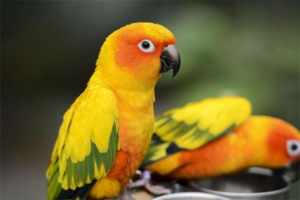
Why Can’t My Parrot Stand, and How to Treat It?
A parrot that can't stand usually has splayed or deformed legs from low vitamin D3 and calcium — congenital (a deficient mother) or from an uneven nest box. Fix the nutrition and, for fractures, splint with foam.
What happens if a dog eats cured/salty meat?
Salty meat can cause thirst, drinking, vomiting, diarrhea, dehydration. Dogs metabolize salt poorly, and curing uses lots of salt, which irritates the gut. Severe cases: salt poisoning (thirst, frequent urination, fatigue, tremors, coma). Excess salt burdens kidneys and raises blood pressure, risking heart disease or stroke.
What disease is retained lochia in dogs?
Retained lochia may come from weak contractions, fatigue, hormonal imbalance, uterine inflammation, or retained placenta. Treatment aims to expel contents, contract the uterus, and prevent infection; see a vet to avoid sepsis.
What are the symptoms of lung cancer in dogs?
Dog lung cancer symptoms include frequent cough, breathing difficulty, fatigue, poor appetite, weight loss, vomiting, fever, muscle pain, and bloody cough, but these also mimic other diseases.
What happens if a Brazilian turtle has too much water?
Though aquatic, Brazilian turtles must surface to breathe; too-deep water forces frequent surfacing and exhaustion, and weak or young turtles can drown. Long soaking also harms shell/skin health, causing shell softening or fungus. Keep depth 20-30 cm for young, 30-50 cm for adults.
What happens if a dog gets vaccinated and dewormed at the same time?
They don't conflict, but both lower immunity, so a weak dog may get fatigue, low appetite, vomiting, diarrhea, or low fever. Usually separate them—deworm, wait a week, then vaccinate.
What happens if I don’t feed my dog salt?
Salt is an essential nutrient for a dog's normal physiological function; it helps the body balance water, conduct nerve signals, and support muscle function. If a dog eats no salt long-term, it may show the following problems. First, salt helps maintain the osmotic balance inside and outside cells, and a lack of salt can lead to lowered stamina and easy fatigue. In addition, too little salt reduces digestive secretions and lowers stomach acid, which weakens the dog's metabolism and causes poor appetite, lethargy, a dull coat, and slow or stalled growth. Finally, the minerals in salt also help maintain bone health, and long-term salt deficiency may cause osteoporosis and raise the fracture risk. However, while dogs need salt, too much is also harmful, so a dog only needs the salt already in its kibble; do not add high-salt foods.
What happens if a dog eats scallions (green onion)?
Scallions can poison dogs: sulfur compounds bind to red-cell hemoglobin, causing hemolytic anemia with tiredness, rapid breathing, fast heartbeat, pale gums, jaundice, blood in waste. Large or long-term intake can damage kidneys, even coma, shock, death. If eaten, watch closely and rush to vet if symptoms appear.