Search Results
239 results for “fat intake”
What to Do When Your Cat Is Constipated
Cat constipation is common but should not be ignored, as it can progress to megacolon. Learn the warning signs, the many possible causes, and the treatment and prevention steps from diet and weight control to stress reduction.

Cat Obesity: Standards, Causes, and How to Help Your Cat Lose Weight
A cat is overweight above 10-20% of ideal weight and obese above 20-30%. Causes range from genetics to overfeeding; weight loss means burning more calories than consumed via diet and exercise.

How to Prevent Hairball Syndrome in Cats
Hairballs form when swallowed fur mats in the stomach, causing retching and constipation. Prevent with brushing, cat grass, hairball paste, and stress reduction.
Cat Distemper (Feline Panleukopenia): Symptoms and Care
Feline panleukopenia is a deadly, highly contagious virus causing vomiting, diarrhea, and fever. No cure exists — treatment supports the immune system; vaccination is the best defense.

Symptoms and Treatment of High Blood Lipids in Pets
Chubby pets look cute, but surveys show over 60% of dogs and cats exceed ideal weight. Today we cover hyperlipidemia.

Which Fruits Can You Feed Your Dog?
Apples, bananas, blueberries and watermelon are dog-safe in moderation; grapes, cherries and avocado are risky. Always remove pits, seeds and rinds.

Cat Diabetes: Treatment Priorities and Prevention
Diabetes is when low or lost insulin keeps blood sugar high for too long, so insulin is essential to treat it - and diet matters just as much. Here are the treatment priorities and how to prevent it.

What Factors Affect Cat Hepatitis
The exact cause of cat hepatitis is debated, but the risk factors are clear: obesity, poor diet, wrong medication, poisoning, and low water intake. Small issues, sustained, become big problems. Here is the breakdown.
How to Care for and Manage Nursling Rabbits
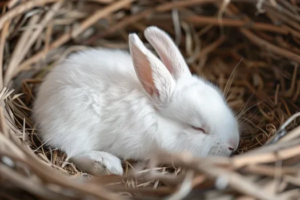
Nursling (unweaned) rabbits are the hardest to raise because their bodily systems are immature and even slight chilling can be fatal. Key management steps include ensuring prompt colostrum intake, keeping the nest warm and rat-free, feeding on a set schedule, starting supplemental feed at 18 days, and weaning scientifically.

Why Has Your Cat Become a Picky Eater?
A cat turns picky for clear reasons—too many treats, a boring single diet, taste fatigue after a food switch, or heat and weather. Fix it with a vet check and diet plan, more variety, and small frequent meals; never starve a picky cat, or liver and kidney trouble can follow.