Search Results
170 results for “family pets”

East African Black Mud Turtle
The East African Black Mud Turtle is scarce in the wild and thus rarely kept in captivity; in China it is uncommon, though other side-neck species are seen more often, indicating its rarity and need for protection. It eats both plants and animals, living in shallow water and occasionally climbing onto land.

Northern Ornate Box Turtle
The Northern Ornate Box Turtle is a desert-dwelling box turtle of the genus Terrapene, found in the United States and Mexico. Highly drought-tolerant, it stores water well and endures arid conditions better than other box turtles.
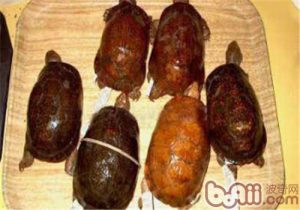
Spotted Box Turtle
The Spotted Box Turtle is a rare box turtle native to the Sierra Madre Occidental of Mexico, now endangered and uncommon; it is one of the rarer members of the box turtle genus, with a relatively small carapace and distinctive appearance.
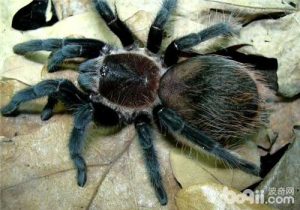
Brachypelma angustum
The Costa Rican redtail (Brachypelma angustum) is native to the rainforests of Costa Rica — also known as the Guatemala redtail spider. In both size and habitat it is very similar to the classic Mexican redleg. Adults reach a leg span of 15–16 cm.

Mud and Musk Turtles (Egg Turtles)
The 'egg turtle' is not a single species but the common nickname for the family Kinosternidae — mud turtles and musk turtles — named for their smooth, egg-shaped carapace. Mostly North American, they are popular, interactive pets, but each species differs in size, care difficulty and husbandry, so research the exact species before buying.

Golden Python
The Golden Python is a patternless, leucistic morph of the Burmese python (Python bivittatus), prized for its uniform golden-cream coloration. Wild-type individuals cannot survive in nature due to a lack of protective melanin, so every specimen in captivity is captive-bred. A large, heat-loving constrictor, it needs steady temperatures of 26–33°C, regular soaking to aid shedding, and a diet of whole rodents or rabbits.

Obesity in Dogs and Cats
Obesity is an excess of body fat that develops when energy intake consistently exceeds expenditure. It is common in pets fed too much, exercised too little, or affected by endocrine disease, and it predisposes to heart disease, diabetes and a shorter life.

Canine and Feline Immunodeficiency Disease
Immunodeficiency is a failure of the immune system, born or acquired, that leaves pets unable to fight infections, leading to repeated, hard-to-treat illness. Congenital forms cannot be cured, while acquired forms are managed supportively.

Cleft Lip and Cleft Palate in Dogs and Cats: Symptoms, Treatment, and Prevention
Cleft lip and cleft palate are congenital facial defects in dogs and cats, often inherited, that let milk escape from the nose and impair feeding. Surgical repair is the main treatment, with special feeding and neutering of affected animals to avoid passing it on.

Canine and Feline Thelaziosis (Eye Worm Infection): Symptoms, Treatment, and Prevention
Thelaziosis is caused by the nematode Thelazia (eyeworm) that lives under the nictitating membrane of dogs and cats, causing conjunctivitis and keratitis that can impair vision. The worms are physically removed and the eye treated.