Search Results
454 results for “fall”

Can Dog Feces Carry Rabies Virus?
Rabies virus is found in an infected dog's brain, saliva, and salivary glands, not in its feces, urine, or hair, which are not infectious. The real risk is a bite or scratch, and any such wound needs immediate cleaning and a rabies vaccine.

Dog Coronavirus: Treatment and Recovery
Dog coronavirus spreads through contact with infected feces and causes sudden vomiting, diarrhea, and lethargy, with cases able to relapse 14-21 days after signs fade. Supportive care, vet-prescribed meds, and gut-resting food let most dogs recover, but severe cases need a hospital.

What to Give a Dog for Cough and Runny Nose
A coughing, sneezing dog recovers fastest when you match the treatment to the cause—diet-related heat, fever, weak immunity, or environmental irritants each call for a different response. Pinpointing the trigger is what lets you give the right remedy instead of guessing.

What to Do When Your Cat Sneezes and Has a Runny Nose
A cat cold usually starts from a chill, and if it drags on for over a week it needs real attention—left alone it can lead to coughing, dehydration, or low fever. Check the temperature, keep the cat warm, rule out serious illness, and support recovery with food and fluids.

Canine Gastroenteritis
Gastroenteritis is inflammation of the stomach and intestinal lining, showing up as digestive upset, abdominal pain, diarrhea, fever, or toxemia. It can be primary or secondary, and the main job at home is to rest the gut, then reintroduce food and water carefully.

What to Use for a Kitten’s Skin Problem
Kittens get skin disease often; first identify whether it's fungal or parasitic, then treat it specifically. Fungus shows as circular bald red rings, parasites as scabs and red dots. Clip, disinfect and apply an antifungal spray and ointment, then deworm once healed.

How to Treat Canine Distemper
Canine distemper will not clear on its own and spreads easily, so isolate the dog and start treatment at once. Its hallmark is a fever that spikes, drops and returns. Care centers on a vet-prescribed supportive combination plus close temperature monitoring and fluids.
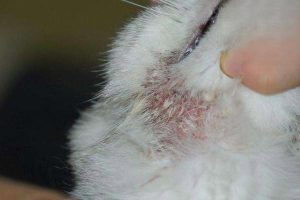
Why Is the Skin Around My Cat’s Mouth Red?
Redness around a cat's mouth is a sign of skin trouble, usually falling into one of three types: allergic, fungal or parasitic. Match the treatment to the cause—soothe allergies, fight fungus with an antifungal spray, ointment and medicated shampoo, or control parasites. A vet confirms unclear cases.

Why Is My Cat Shivering on and Off?
Intermittent shivering is not normal and usually means your cat is cold, unwell, or dealing with something more serious. A cold is the common cause, but lingering tremors can signal nutrient gaps or a neurological problem. Persistent or unexplained shaking should be checked by a vet.
My dog keeps shedding constantly — does it have a skin condition?
Shedding in summer is abnormal and may signal a skin condition or a micronutrient deficiency. A skin problem shows scabbing, hair loss, itching, dandruff, redness, and rashes at the shedding site — treat by clipping the fur and applying a vet-recommended topical skin ointment. Without those signs, it may be a micronutrient shortfall or old age.