Search Results
357 results for “fall”

Common Gastrointestinal Diseases in Cats
Many diseases can affect the gastrointestinal (GI) tract. Symptoms such as vomiting or diarrhea are common in GI disorders. Regurgitation (the effortless expulsion of stomach fluid, mucus, and undigested food from the esophagus) is frequent in esophageal disease.

Diagnosis and Treatment of Dog Near-Drowning
Near-drowning is defined as survival for more than 24 hours after being fully submerged. This article explains the stages of near-drowning, how fresh and salt water differ, and the diagnostic tests and treatments veterinarians use.

Symptoms and Treatment of Dehydration in Dogs
Dehydration occurs when the body's water falls below normal levels, usually involving loss of water and electrolytes such as sodium, chlorine, and potassium. This article describes the signs of dehydration in dogs, how it is diagnosed, and how it is treated.
Causes and Diagnosis of Dehydration in Dogs
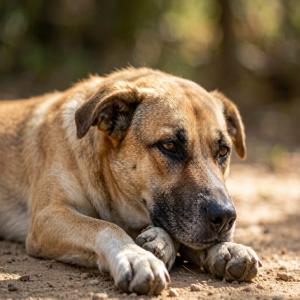
Dehydration can be caused by many diseases or abnormalities, which fall into two broad categories: reduced fluid intake and increased fluid loss. This article explains the common causes and how veterinarians grade dehydration severity by skin elasticity and lab tests.

Tips for Caring for an Older Dog
Age is not a disease, but senior dogs need help: add rugs for traction on slick floors, raise food bowls to shoulder height, keep them cool in summer, use car ramps and indoor steps, give an orthopedic bed, and keep both body and mind active with short outings and new games.
Treatment of Feline Hyperthyroidism
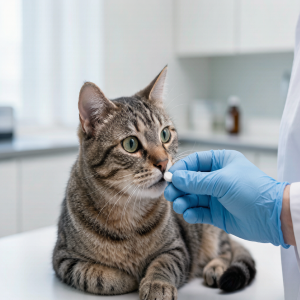
Treating feline hyperthyroidism may involve one or more of several approaches, starting with medication. This article covers methimazole, surgical thyroidectomy, radioactive iodine (I-131) therapy, and supportive follow-up care.

What to Do When Your Dog Is Limping
Lameness — reduced weight-bearing or movement in a limb — can range from mild to severe, affect one or more legs, and come and go. Causes span trauma to chronic arthritis. Here is how the vet evaluates and treats it.

How to Prevent Cats from Fighting Each Other
Understanding the underlying cause of feline aggression and addressing it early is key. Cat aggression falls into five types—territorial, fear-based, pain-related, play, and redirected—and each responds to specific environmental changes. Spaying/neutering, pheromones, and enough resources also help.

How to Choose a Cat and Care for It Properly
Getting a cat means treating her as a family member and raising her kindly for a happy life. Before deciding which cat suits you, learn about cat types and costs to avoid abandonment caused by a poor match or unaffordable expenses.

Cat Anatomy and Nutritional Requirements
A cat's body has nine notable parts (limbs, eyes, teeth, paw pads, nose, tongue, claws, whiskers, ears), and its diet needs core nutrients: protein, fat, carbohydrates, water, crude fiber, magnesium, calcium, phosphorus, and taurine. As obligate carnivores, cats need animal-source nutrition.