Search Results
340 results for “fall”
A Practical Guide to CoQ10 Supplements for Pets
CoQ10 is a nutrient concentrated in heart-muscle cells that fuels the heart and fights oxidative damage, which is why veterinarians often suggest it alongside cardiac care for aging or at-risk pets. With demand up, product quality varies widely, so owners should judge a supplement on stated content, safe source, credentials, and smart pairings rather than marketing. This guide covers what CoQ10 does, how to pick a quality product, and the dosing and safety points—including who benefits, how much to give, and which drugs it must not be mixed with. CoQ10 supports care; it never replaces prescribed heart medication.

Do Female Dogs Feel Unwell During Heat?
During heat a female dog may feel some discomfort, often shown as irritability, abdominal pain, and appetite that rises or falls, but it is usually tolerable with no obvious abnormality. If she shows clear distress, consult a vet. She may also roam to find a mate, so supervise her closely during this period.
Caring for Senior Cats and Dogs: A Stage-by-Stage Longevity Plan
Cats and dogs are considered senior at around age 7, when metabolism slows and organ function begins to decline. With staged, careful care, companion pets can live an average of 2–3 years longer. This guide breaks senior care into three phases—ages 7–9, 10–12, and 13 and up—covering diet adjustments, weight control, dental and joint support, stress avoidance, and a sensible checkup schedule. The goal is not expensive supplements but steady, calm, well-planned daily care.
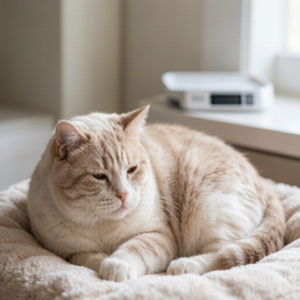
Can Obesity Cause Fatty Liver in Cats?
Overweight cats are at higher risk of fatty liver, because excess fat around the liver can move into it. Fat cats also more often have diabetes and pancreatitis, which can lead to fatty liver, and prolonged starvation is another common cause. Symptoms include anorexia, weight loss, vomiting, and jaundice, and severe cases can be fatal, so prevention matters.

Summer Dog-Walking Survival Guide (With Heatstroke First Aid)
Dogs have almost no sweat glands and cool mainly by panting, so above 28 C their cooling efficiency drops below a fifth of ours, and asphalt can hit 57 C while a dog's belly, only 20-30 cm off the ground, breathes air 5-8 C hotter. That makes summer walks risky. Walk before 7 a.m. or after 8 p.m. in shaded parks or grass, carry a folding bottle and offer water every 15 minutes, and cap time by breed, short-nosed dogs under 15 minutes in shade, sport breeds rest 5 minutes per 10 of exercise, small dogs under 10 minutes several times a day. Heatstroke can reach organ failure in 30 minutes; early signs are heavy panting, dark purple tongue, thick drool, then staggering and vomiting above 40 C, and seizures or coma with up to 80% death if untreated. First aid: move to shade, wipe groin/armpits/neck with room-temp water, give small sips if awake, keep head low, and rush to a vet.
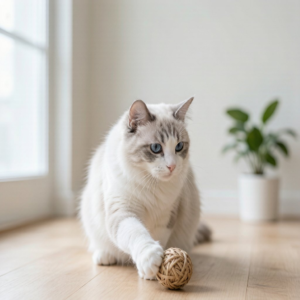
Why Does Your Cat Keep Pushing Things Off the Table?
When your cat knocks your cup or pen to the floor, it isn't pure mischief. A 2019 Cornell study found domestic cats keep about 80% of their wild hunting instinct, so they treat desk objects as "motionless prey" and the push is a mock hunt, especially for round things that roll like escaping prey. Cats are also smart readers of your mood; any big reaction, scolding or a wry laugh, teaches them that pushing things earns attention, and bad attention beats being ignored. Frequent exploring is actually a mental-health sign. Curb it with a designated play zone, daily hunting games, ignoring the act, and physically securing valuables.
Bringing Home a 2–6 Month Old Puppy or Kitten: A Complete Care Checklist
A new 2–6 month old puppy or kitten is fragile, and mistakes in the first weeks—too much handling, wrong food, missed vaccines—can cause stress, illness, or worse. Start by letting the pet settle alone for 1–2 hours before gentle interaction; keep the same food it had before (soak kibble if needed) and feed 3–4 small meals a day. Watch the first week closely, since transport can expose them to panleukopenia, cat flu, distemper, or parvovirus on top of stress. The vaccine and deworm timeline matters: deworm first, wait at least 7 days, then vaccinate (dog multivalent from ~45 days, three shots 21 days apart, rabies at 3 months; cat FVRCP from 2 months, three shots 28 days apart, then rabies). Don’t bathe, delay outings until vaccinated, and never feed toxic people foods like grapes, chocolate, coffee, or avocado.

What to Do If Your Hamster Has a Fracture
If a hamster breaks a bone, place it in a quiet, warm, comfortable space to ease pain, and apply a wrapped ice pack to the injury for 15 to 20 minutes to reduce swelling. Because hamster bones are delicate, handling them at home can cause more damage, so see a veterinarian promptly. The vet will examine and X-ray the fracture, then use external fixation like a splint or internal fixation with plates or pins depending on severity.

Dog at 7 Is Like a Human at 50: Early Signs of Senior Dog Diseases
At 7, every dog, large or small, has entered its senior years and organs start declining faster. Studies show kidney filtration drops 12-18% and joint cartilage wears three times quicker after 7. Many early signs get mistaken for "normal aging" and missed. Watch for osteoarthritis (stiff rising, hesitant stairs, liking soft beds), dental disease (red bleeding gums, loose teeth, bad breath, favoring soft food), chronic kidney disease (drinking and urinating more, later ammonia breath and weight loss), and cognitive dysfunction (getting lost at home, night waking, forgetting house-training). These diseases can't be cured, but early action slows them and extends life.

Woken by Dog Barking at 5 a.m.? How to Fix Early Morning Barking
A dog barking at first light isn't misbehaving on purpose; it follows a behavior logic. A 2023 canine vocalization report found over 73% of early barking ties to instinct, environment, or unmet needs. Causes include a built-in circadian clock (some energetic breeds' melatonin drops 30% faster), basic needs like hunger or a toilet break, and outside sounds like garbage trucks that a dog's sharp hearing catches. The fix is positive guidance plus removing rewards: shift the dog's schedule later, tire it out before bed, darken the room and use white noise, desensitize to triggers, and completely ignore barking until it is silent for 30 seconds. The process takes days to weeks, so don't give in midway.