Search Results
10 results for “facial abscess”
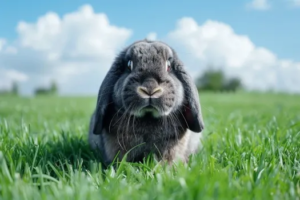
Common Dental Diseases in Rabbits
Rabbits' teeth grow continuously, so without enough wear they overgrow and cause malocclusion and caries — both of which can lead to painful facial abscesses. Feeding plenty of hay and regular vet checks are the best ways to prevent dental problems.
My Rabbit Has a Hard, Slightly Soft Lump Near Its Eye Oozing White Matter; How Do I Treat It Without a Nearby Vet?
Facial abscesses in rabbits usually come from nasolacrimal or dental problems, sometimes bone infection. They feel like hard lumps or movable soft bumps.

Hazards of Rabbit Malocclusion and How to Prevent and Treat It
Malocclusion is fairly common in rabbits — some are born with it, while others develop overlong teeth from insufficient chewing, leading to malocclusion. What harm does it cause, and how should you prevent and treat it? Read on.

How to Identify Dog Skin Problems
Dog skin disease is common and has many causes. The big three are external parasites (fleas, lice, ticks), mange mites (demodectic and sarcoptic), and allergies (acute or chronic) — each with distinct signs, and a vet confirms mites or infection under the microscope before you treat.

Common Side Effects After Cat Vaccination and What to Do
Mild reactions after a cat's vaccination—low fever, tiredness, poor appetite—are normal and usually fade in 1–3 days as the body builds antibodies. Watch for serious signs like facial swelling, vomiting, or breathing trouble and head to the vet; keep the cat calm, hydrated, and away from other cats for a week.

Bad Breath in Dogs and Cats Is Not “Heat”—3 Types to Self-Check
When dogs or cats have bad breath, many owners assume “heat” and reach for cooling teas or herbs—but most pet halitosis is a disease signal, not a temperature issue. A rotten, fishy odor with red gums, tartar, hesitant eating, or drooling points to periodontal disease (over 70% of pets over 3 years); a strong urine or ammonia smell with extra drinking, extra urination, lethargy, and low appetite signals declining kidney function; and a sour, fermented odor with burping, acid reflux, worse on an empty stomach, and soft stool points to gut or liver trouble. Mild breath, teething at 3–6 months, or a meaty diet smell are normal. Severe or symptomatic breath warrants a vet visit—blood and organ checks—not “cooling” remedies.

Why Your Cat Keeps Sneezing
An occasional sneeze is nothing, but frequent sneezing with discharge, eye issues, or coughing can hide something serious. Causes span environment, infection, and even facial structure, from dust and viruses to flat-faced-breed anatomy. This guide explains the reasons, when to see a vet, and how to care for and prevent sneezing fits.

What Causes Malocclusion in Rabbits?
Malocclusion, or misaligned teeth, is a common rabbit dental disease with congenital and acquired forms; most cases are acquired from poor management. Rabbit teeth grow continuously, so they must wear them down by eating coarse fiber like grass. Without enough chewing, teeth overgrow and slip out of alignment. Overlong teeth can cut the lips, tongue, and cheeks, cause painful refusal to eat and mouth ulcers, and in severe cases the roots may pierce into the nasal cavity, eye socket, or jaw, forming abscesses. Prevent it with regular dental checks and plenty of hay for wear.

Trigeminal Nerve Paralysis in Dogs and Cats
Trigeminal nerve paralysis leaves the eye, upper, and lower jaw branches partly or fully numb, causing lost corneal reflex, a dropped jaw, protruding tongue, and difficulty eating. Tumors, abscesses, inflammation, distemper, contusion, or B-vitamin deficiency can be responsible.
Sinusitis in Dogs and Cats: Symptoms, Treatment, and Prevention
Sinusitis is inflammation of the maxillary, frontal, and sphenoid sinus linings, usually secondary to rhinitis, influenza, or facial trauma. It produces nasal discharge and breathing difficulty and is treated by clearing the sinuses and controlling infection.