Search Results
509 results for “external deworming”
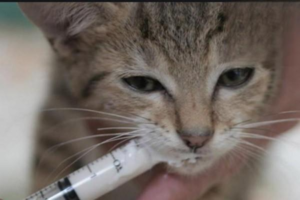
How Long After Deworming Can I Bathe My Cat?
Wait 1–2 weeks after deworming before bathing, or the product's effect weakens. Cats self-clean well, so bathe rarely; too often lowers skin resistance. An ivermectin-based topical covers most external and some internal parasites.

Does a Kitten Need Deworming?
Kittens do need deworming, but wait until about 2.5–3 months old unless a vet advises earlier. Parasites pass through the mother, food, and contact, so a post-weaning kitten exploring the world is at real risk. Use a broad-spectrum product and keep up monthly external protection.

How to Tell If Your Cat Needs Deworming
Most internal parasites are invisible to the naked eye until an infestation is advanced, so routine deworming matters more than waiting for symptoms. Kittens need monthly protection and healthy adults every three months; a vet can confirm parasites from a stool sample under the microscope.

Health Checks to Do Before Adopting a Stray Dog
Before a stray moves in, work through four steps: a professional bath that also reveals wounds or lumps, internal and external deworming, a 10-day home observation before any vaccines, then a clinic visit for a full exam and shots (distemper combo, rabies, toxoplasmosis). Only after that is your new dog truly safe to cuddle.

Canine Tapeworm: Symptoms and Treatment
Tapeworm-infected dogs pass white sesame-like segments in soft yellowish stool, with poor nutrition, anemia, and anal itch. Treat with arecoline, praziquantel, or bunamidine; prevent with regular internal and external deworming.

If Your Cat Keeps Scratching Its Ears and Biting Its Tail, Does It Have Skin Disease?
Persistent ear-scratching and tail-biting often signals skin disease — commonly mites, fleas, fungus, or allergies. Prevent it with regular grooming, a dry clean coat after bathing, a sanitized living space, and scheduled internal and external deworming.

Essential Dog Supplies Checklist
Preparing the right supplies before bringing a dog home prevents a chaotic first day. Essentials include balanced dog food, sturdy bowls, a leash and poop picker for walks, dog-specific shampoo, chew toys, and both internal and external deworming medication given monthly.
Is this a tick, and how do I kill it?
From the photo the object on the dog's foot may be a tick or a wart. For a tick, dab alcohol to loosen its mouthparts, then pull it out gently with tweezers and disinfect the bite. Do a full external deworming to kill remaining parasites; if it's a wart, see a vet.
It has ear mites but I cleaned them; now the face and behind the ears are flaking — is it ringworm?
Facial hair loss with a history of ear mites is more likely parasite or bacterial infection. Treat the mites and do external deworming; clean discharge to avoid secondary bacteria. Both parasites and bacteria cause hair loss, so deworm and use an antibacterial spray or ointment on the face.
My 2.5-Month-Old Cat’s Ears Stay Dirty No Matter How Often I Clean—What Should I Do?
Ear-mite treatment needs cleaning, medication, and external deworming: clean with ear solution, massage, let the cat shake, then apply mite medicine for about 2 weeks while deworming regularly.