Search Results
257 results for “expression”
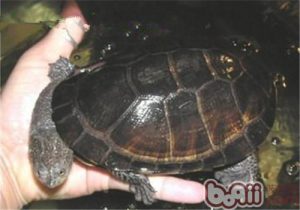
Acanthochelys radiolata (Brazilian Radiolated Swamp Turtle)
The Brazilian radiolated spiny-necked turtle is a rare Brazilian species in the genus Acanthochelys, named for the radiating pattern on its carapace. It is difficult to keep and seldom seen in captivity.
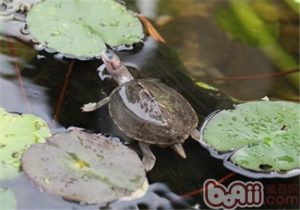
Brown Roofed Turtle
The Brown Roofed Turtle (Pangshura smithii) is a relatively uncommon member of the roofed turtle genus, comprising two subspecies—the nominate Smith's roofed turtle and the white-footed roofed turtle, distinguished by the absence of black markings on its plastron. A semi-aquatic omnivore, it inhabits riverbed mud across the Indian subcontinent and enjoys basking.
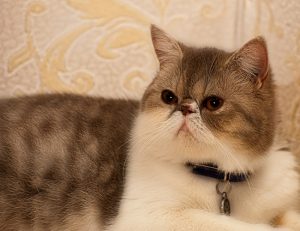
Exotic Shorthair
The Exotic Shorthair — everyone's "Garfield cat" — pairs the Persian's plush look with a short, easy-care coat. Sweet, calm, and affectionate, it's one of the most laid-back cat breeds to live with.

Hip Dysplasia in Dogs and Cats: Symptoms, Treatment, and Prevention
Hip dysplasia is a hereditary developmental disorder of the hip joint influenced by genetics and environment, common in large breeds such as shepherds and setters. Progressive laxity and deformity cause lameness, reluctance to rise, and a characteristic 'bunny-hopping' gait; management is conservative with weight control and pain relief, and surgery is considered case by case.

Elbow Dysplasia in Dogs and Cats: Symptoms, Treatment, and Prevention
Elbow dysplasia is a group of inherited developmental elbow joint diseases - ununited anconeal process, fragmented medial coronoid process, and osteochondritis of the medial humeral condyle - driven by genetics and rapid growth. It causes forelimb lameness, a reluctance to walk, and sometimes a crackling joint sound. Weight control, pain relief, and surgery in severe cases are the mainstays.

Uremia in Dogs and Cats
Uremia is the severe, body-wide poisoning that results when advanced kidney failure lets metabolic wastes build up in the blood. It affects the nervous, circulatory, digestive, respiratory, and blood systems, and is treated by managing the underlying kidney disease and the individual symptoms.

Anal Sacculitis in Dogs and Cats
Anal sacculitis is inflammation of the small anal glands when their secretions build up and irritate the lining, most often in small-breed dogs and cats. Signs include scooting, licking at the rear, and a foul odor; treatment is expression and antibiotics, with surgery for rupture or fistulas.
How can I keep my Bichon Frise from smelling bad?
The Bichon Frise is a clean small breed that shouldn't smell much. A strong odor usually comes from infrequent bathing, bad breath, blocked anal glands, or earwax buildup. Regular baths and brushing, teeth brushing 3x/week, weekly ear cleaning, and routine anal-gland expression plus daily exercise keep odor away.
Which dog breeds have wrinkled foreheads?
Dog breeds with wrinkled foreheads commonly include the Shar-Pei, Pug, French Bulldog, and English Bulldog. The Pug's most distinctive feature is its heavily wrinkled face, with a short muzzle and large eyes; puppies look especially cute, while adults often appear perpetually worried. The Shar-Pei has a unique build with a hippopotamus-like head and triangular eyes, and is covered in wrinkles as a puppy.
Why Does My Dog Like to Growl?
Growling can be social greeting, excited expression, an alert to something odd, or a warning. Growling at you usually means it wants attention or feels unwell and needs help.