Search Results
257 results for “expression”

How Do Dogs Show Submission During a Fight?
A dog's submissive behavior during a fight varies with personality, age, and experience. When a dog realizes it is weaker and trusts the other will stop, it may lie down and expose its belly to surrender — but if attacked again, it will get back up and fight. Either way, owners should step in to keep either dog from being hurt.

How to Tell if Your Dog Is Producing Enough Milk
Newborn puppies depend on their mother's milk for nutrition and early immunity, yet some dams simply don't produce enough. You can judge supply by the puppies' round, content bellies, the dam's full and slightly sagging breasts, her calm willingness to nurse, and whether milk can be expressed by hand. When supply runs short, warm compresses, gentle udder massage, and a protein-rich diet help stimulate lactation, though mastitis requires a vet.

What Are the Signs That a Dog Feels Guilty?
A guilty dog often lowers its head, avoids eye contact, stiffens its body, pins its ears back, and tucks its tail, and may try to appease you with frantic licking or by offering a toy. This guide explains the common signs of canine guilt and how to correct misbehavior with positive reinforcement rather than punishment.
Why do people regret getting a Pug so soon after adopting one?
Pugs have several drawbacks — easy weight gain, strong odor, stubbornness, and loud snoring — that can lead to buyer's remorse.
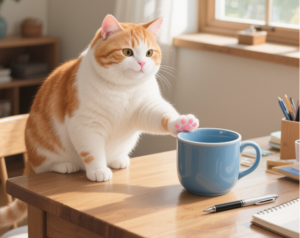
Why Does Your Cat Keep Pushing Things Off the Table?
When your cat knocks your cup or pen to the floor, it isn't pure mischief. A 2019 Cornell study found domestic cats keep about 80% of their wild hunting instinct, so they treat desk objects as "motionless prey" and the push is a mock hunt, especially for round things that roll like escaping prey. Cats are also smart readers of your mood; any big reaction, scolding or a wry laugh, teaches them that pushing things earns attention, and bad attention beats being ignored. Frequent exploring is actually a mental-health sign. Curb it with a designated play zone, daily hunting games, ignoring the act, and physically securing valuables.

Can Dogs Smile?
Whether dogs truly smile is debated, yet no one can deny they express happiness through behavior. When interacting with owners, dogs show joy by wagging, jumping, and licking. Watching a dog leap and wag during play, you can clearly feel its happiness. These are how dogs communicate emotion with us.

Why Your Cat Starts to Look Like You (It’s More Than Mimicry)
Many owners hear that their cat is the spitting image of them, and science backs it up. A British photographer pairing 3,000 cats with their owners found they do grow more alike over time, though a cat's breed determines its looks, not its owner's face. The real similarity comes from behavioral sync, calm owners raise calm cats and anxious ones raise jumpy cats, cats mimic our body language and match our daily rhythms. Psychology's "similarity attraction" means we subconsciously pick cats that resemble us, and brain studies show shared oxytocin and cortisol levels between long-term companions. In short, your cat doesn't become you, it tunes to your frequency.
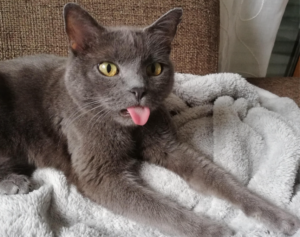
How to Stop Your Cat from Peeing on the Bed
Finding a yellow wet spot on the bed is every cat owner's nightmare. Before anything else, rule out disease: feline lower urinary tract disease (FLUTD) makes urination painful, so cats link the box with discomfort and seek softer spots like the bed. If peeing comes with straining, blood, or constant licking, see a vet. Non-medical causes are a disliked litter box (bad location, poor hygiene, wrong litter, too few boxes in multi-cat homes) and stress or anxiety. Fixes: upgrade the box, scoop twice daily, follow the n+1 rule, ease anxiety with play and pheromone spray, and remove the urine scent with an enzymatic cleaner plus detergent. Most cats return to normal in 2-3 weeks.

How to Show Your Dog You Love It (in a Language It Understands)
Dogs may not speak, but their emotional world is rich. Brain-imaging work at Emory University shows a dog's brain reacts to its owner's voice and scent in areas similar to where humans process emotion, so your affection is a real signal your dog can feel. You can speak its language through soft eye contact (which raises oxytocin in both of you), calm pressure-petting, high-engagement play, frequent praise, leaving a scented item in its bed, and keeping a predictable routine. These small daily acts lower stress and deepen the bond far more than words alone.
Do West Highland White Terriers Bark a Lot? Yes — Here’s Why
West Highland White Terriers are vocal dogs. Bred as terriers in Scotland to hunt small rodents, they were selected to alert their handlers with barks, and that instinct remains strong. Westies bark out of alertness, pent-up energy, attention-seeking, seasonal restlessness, or as a sign of pain. The good news is that barking is manageable: daily exercise, a "quiet gets rewarded" system, desensitization to common noises, early socialization, and ruling out health issues all make a big difference. A sudden change in barking paired with other symptoms can signal discomfort and warrants a vet visit.