Search Results
26 results for “expectorant”
How long does canine parainfluenza need to be treated?
Mild canine parainfluenza usually recovers within one week, while more serious cases with complications may need more than two weeks of treatment. Treatment focuses on antiviral, antibacterial, and supportive immune care.

What to Do When a Cat Has Pneumonia
Feline pneumonia usually follows a cold, fever, or bronchitis, starting with fever, nasal discharge, cough, and lethargy, then labored breathing and a head-down, front-leg-splayed stance. Treatment centers on anti-inflammatory drugs plus expectorants, keeping the cat hydrated with glucose, and good nutrition. See a vet promptly.
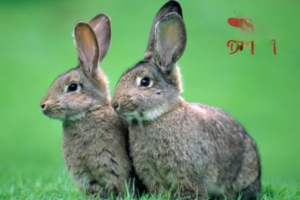
Rabbit Bronchitis: Causes, Diagnosis, and Treatment
Rabbit bronchitis, common in old and weak rabbits, brings cough, nasal discharge, and chest rales from cold, dust, mold spores, or irritant gases. Acute cases shift from dry to wet cough with breathing trouble; chronic ones cough after exercise or in cold air. Treat with antibiotics, cough suppressants or expectorants, and herbal tablets.
How long does puppy bronchitis take to heal?
Bronchitis treatment takes about 1-2 weeks depending on constitution and severity. Treatment is expectorant, antitussive, and antibiotics via nebulization.
Why does my dog make a rattling, phlegmy sound without coughing?
A rattling sound without coughing may signal a respiratory infection. Since dogs don't cough on their own, press the lower throat to induce a cough; if you hear phlegm rattling, there is mucus. Use doxycycline plus an expectorant; if it doesn't improve, see a vet for nebulization.
What Is Kennel Cough in Dogs
Kennel cough, or infectious tracheobronchitis, is a highly contagious respiratory infection spread by many pathogens at once. It hits dogs of any age but is hardest on puppies, and it flares in cold, crowded, damp conditions. The classic sign is a harsh, dry, honking cough, and while most cases clear on their own, knowing when to treat matters.

Pulmonary Emphysema in Dogs and Cats: Symptoms, Treatment, and Prevention
Pulmonary emphysema is over-inflation of the lungs from too much air in the tissue, causing labored, wheezy breathing. It may be primary (exertion) or secondary to chronic airway disease, and is managed by treating the underlying condition and supporting breathing.
Pneumonia in Dogs and Cats: Symptoms, Treatment, and Prevention
Pneumonia is inflammation of the lung tissue from infection, irritation, or aspiration, causing high fever, breathing difficulty, and a painful cough. It is treated with antibiotics, cough and phlegm control, and oxygen when needed.
Bronchopneumonia in Dogs and Cats: Symptoms, Treatment, and Prevention
Bronchopneumonia (lobular pneumonia) is inflammation of the small airways and alveoli, marked by high swinging fever, rapid breathing, and focal lung sounds. It is treated aggressively with antibiotics, cough and phlegm control, and supportive care.

Bronchitis in Dogs and Cats: Symptoms, Treatment, and Prevention
Bronchitis is inflammation of the bronchial lining, producing a persistent cough and crackles heard on chest auscultation. It may be acute or chronic and is managed with cough control, bronchodilators, and antibiotics when infection is present.
- « Previous
- 1
- 2
- 3
- Next »