Search Results
409 results for “exercise”

Are Teacup Dogs Easy to Care For?
Teacup dogs win fans with their tiny, cute looks and gentle nature, but they're fragile and low-immunity, so they need careful, attentive care. They're sensitive to temperature, so dress them warmly in cold weather, and keep up daily grooming—eye-stain cleaning and coat brushing—to stay clean. Feed a high-quality diet sized to them in controlled amounts to avoid obesity. Though small, their health needs are real: regular vet checks, vaccinations, and deworming are essential. With patience and the right know-how, they bring plenty of joy.

Why Do Dogs Develop Cervical Spondylosis?
A dog can develop cervical spondylosis for many reasons, including genetics, poor nutrition, holding one posture too long, overexercise, age, and environment. Some breeds with unusual body shapes are more prone to it. Long-term calcium deficiency weakens the bones, making the cervical spine easier to compress and injure. Older dogs are also at higher risk because of bone loss and weaker muscles. This article explains the common causes of cervical disease in dogs and what symptoms and home care look like once it is diagnosed.
Causes and Treatment of Gastric Torsion in Dogs
Gastric torsion, or bloat, is a dangerous emergency seen most in large breeds like German Shepherds and Great Danes, though any dog can be at risk, and it can be fatal without fast treatment. It often starts with overeating or eating too fast, which inflates the stomach; if the dog then exercises vigorously, the full stomach can twist. Swallowing excess air while eating and factors like age, genetics, odd gut anatomy, and changes in abdominal pressure also contribute. Watch for vomiting, a swollen belly, trouble eating, and a hunched back, and rush to a vet at once; keep the dog calm while you get help. Treatment is usually surgery to untwist the stomach and repair the wall, which is stable and rarely recurs, with medication, fluids, and shock care for milder cases. Prevention matters most: feed several small meals instead of one large one, use a slow feeder for fast eaters, and avoid hard exercise right after eating.
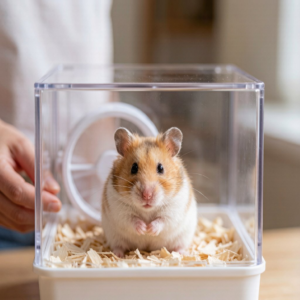
Essential Hamster Care: What Every Owner Should Know
Keeping a hamster healthy and extending its lifespan depends above all on proper husbandry. Before bringing a hamster home, owners should prepare a spacious cage with suitable bedding, a food bowl, a water bottle, and an exercise wheel, then keep the enclosure clean and disinfected on a regular schedule. A balanced diet built around a high-quality hamster mix, supplemented with small amounts of fruit and vegetables, and constant access to fresh, safe drinking water are equally important. This guide covers the fundamentals of scientific hamster care: building a comfortable habitat, providing nutritious food and clean water, maintaining a tidy living space, encouraging daily exercise, reducing stress, and managing temperature through the seasons. With the right setup and routine, even first-time owners can help their pet thrive.
Bear-Type vs. Wolf-Type Samoyed: What’s the Difference?
Samoyeds come in two popular looks: the bear-type (often called the "Australian line") and the wolf-type (the "Russian/Siberian line"). Bear-type dogs are stocky and round, standing about 53-58 cm at the shoulder and weighing 25-30 kg, with a broad, short muzzle and an extremely fluffy double coat. Wolf-type dogs are leaner and more athletic, roughly 3-5 kg lighter, with a longer, narrower muzzle, almond eyes set close together, and a sleeker, coarser coat. Temperament differences are minor and mostly shaped by socialization rather than bloodline. The most important factor when choosing a pet is matching the dog's needs to your lifestyle, not which "version" you prefer.

100 Essential Tips Every New Cat Owner Should Know
Bringing home a first kitten is exciting but daunting, and poor care can hurt both of you. These 100 essentials cover diet (life-stage food, toxic grapes/chocolate/onion/garlic, no bones or raw meat, fresh water), daily care (brushing, nail and ear cleaning, litter hygiene, n+1 boxes), health (vaccines at 8–12 weeks, deworming, normal temperature 38–39.2°C, spay/neuter, no human meds), behavior (slow blinks, tail talk, no punishment), and home safety (screens, hiding wires, toxic plants, no smoke). Read them once and you'll share a calmer, healthier life with your cat.
How to Keep Your Cat from Getting ‘Air-Conditioner Sickness’
Cats can suffer 'air-conditioner sickness'—discomfort from low temperature, dry air, poor ventilation, and big temperature swings—showing as sneezing, runny nose, loose stools, or even respiratory infection. To prevent it, keep the AC at 26–28°C and avoid direct drafts, hold indoor humidity at 50–60%, and warm weak cats with a soft bed off cold floors. Clean the filter every 2–3 weeks, ventilate daily, watch the cat's condition, and add 20–30 minutes of play. At the first mild signs, turn the AC off and offer warm water; see a vet if it worsens.
What Are the Symptoms of Hip Dysplasia in Dogs?
Hip dysplasia is a common inherited joint disease in dogs in which the hip socket and ball do not fit or wear normally, causing pain, limited movement, and falling comfort. Left unchecked it can worsen to disability. Typical signs include reluctance to run, climb stairs, or exercise; joint swelling after activity; pain shown by difficulty lying down or whimpering; muscle loss from moving less; a limp or bunny-hopping gait; and a grinding sound from the joint during motion. Mild cases are managed conservatively with weight control, limited strenuous exercise, joint supplements, and physical therapy such as massage, heat, or cold packs. Medications like anti-inflammatories, pain relievers, and cartilage repair drugs ease symptoms. Severe cases may need surgery, including hip replacement or femoral head removal, to restore comfort and function. Knowing the signs helps owners act early and care for their dog well.

What to Do If Your Dog Is Too Thin?
A thin dog is most often undernourished, but disease, digestion problems, tumors, or parasites can also cause weight loss that needs veterinary attention. Start with a high-quality, balanced diet suited to the dog's age and activity, add easily digested protein such as cooked chicken, fish, or egg, and feed smaller meals more often to improve absorption. Light daily exercise boosts appetite and metabolism. If good feeding and exercise do not help, or the dog is naturally a slender breed but otherwise healthy, a vet check rules out hidden illness.
How to Stop a Cat From Scratching You
A cat that scratches its owner is a common headache, and the behavior is usually fixable once you understand why it happens. Scratching can stem from misunderstanding, anxiety, fear, or over-excitement, and often a cat is only trying to interact or ask for attention without meaning harm. Teach it that scratching makes you unhappy and can bring a consequence, and over time it learns to stop; for truly aggressive scratching, a firm loud noise startles without hurting, paired with calm positive reinforcement. Meet the underlying need by giving a proper scratching post or area, rewarding correct scratching, and offering varied toys and play to burn energy so it does not take it out on your hands. Learn the body language: a swishing tail, flattened ears, or a partly open mouth mean back off. Patience, trust, and the right outlet turn scratching into healthy habits.