Search Results
513 results for “exercise”

What to Do When Your Chinchilla Has Gas and Bloating
Chinchilla bloating usually comes from eating too much or too fast, poor nutrition, or digestive disease. When it happens, stop feeding briefly to ease the gut, and avoid large single meals going forward. Raise the hay ratio in the diet to add fiber and support gut movement, and gently massage the abdomen from left to right and top to bottom to help expel gas. If bloating is severe or recurring, add a pet probiotic to balance the gut flora and aid digestion. Keep the cage clean, control portions, and provide space to exercise so gas problems are less likely to return.
Why does my dog leak urine when it gets excited?
Excited urination is a normal physical reaction - puppies have poor bladder control, so when they're excited, nervous, or scared their bladder muscles contract and they leak involuntarily, usually outgrowing it. Reduce emotional stimulation, keep exercise up to burn energy, and redirect excitement with a sit or shake command.
Why is a Samoyed often a poor fit for women?
Samoyeds are large, and many women are petite and simply can't control such a big dog; they're high-energy and chew up the home when left alone, which neat owners hate. They need 1-2 hours of outdoor exercise morning and evening - hard for many women to provide - and their big appetite plus long coat (regular grooming) makes upkeep costly.

What Deficiency Causes Pica in Rabbits
Rabbit pica can stem from lacking trace elements such as zinc, iron, manganese, iodine, and selenium, plus calcium, phosphorus, and fiber. A varied, balanced diet of hays, pellets, fresh vegetables, and water covers these needs. Pica can also reflect missing chew outlets, boredom, too little exercise, or anxiety, so environment and mood matter too. If diet correction does not help, a vet check is wise.

Why Does Your Rabbit Chew Everything
A rabbit that chews everything may be wearing down its constantly growing teeth, exercising jaw muscles, exploring by taste, relieving anxiety or boredom, or showing pica from a narrow diet lacking vitamins, minerals, or fiber. Offer safe chews like wooden toys, hay, and dried branches, enrich the environment, give exercise and interaction, keep it calm, and improve the diet. Clear harmful items such as detergent and disinfectant to prevent poisoning.
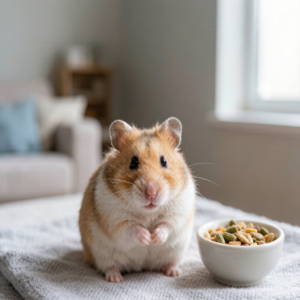
How to Help Your Overweight Hamster Lose Weight
Hamster obesity raises the risk of heart disease, diabetes, arthritis, and fatty liver, cuts mobility, shortens life, and can cause breeding trouble and anxiety. To slim one down, cut portions of fatty foods, add a wheel and climbing toys plus out-of-cage time, limit sugary treats, weigh regularly, and avoid overstimulation that triggers overeating. Severe cases need a vet's tailored plan. Patience is essential; weight loss takes time.
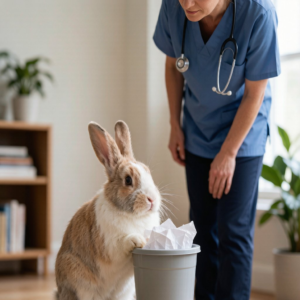
How to Stop Your Rabbit Rummaging Through the Trash
A rabbit that raids the trash can pick up bacteria and skin disease or eat spoiled food and suffer gut trouble. Move bins out of reach, give plenty of chew toys and activity, and correct the behavior with a sharp sound or gesture the moment it starts, repeating until it learns. Clear food scraps from bins, keep it fed and watered, and allow enough exercise. If it persists, an animal behavior specialist can help.

What to Do When Your Rabbit Is a Picky Eater
A picky rabbit may refuse food because of taste preference, a recent environment change, or dental trouble. Offer variety, fresh food, and a gradual switch to new items, and avoid overfeeding treats. Check teeth and mouth regularly, keep the diet balanced, and give enough space and exercise. Persistent pickiness with other symptoms warrants a veterinary check, since poor intake risks nutrient deficiency and weak growth.
Dog Food Bloat: Symptoms and What to Do
Food bloat is a digestive backup where swallowed food cannot pass normally, causing vomiting, refusal to eat, and a swollen belly. It often follows fast or excessive eating, indigestible food, or swallowed objects. Mild cases may improve with pet probiotics, gentle abdominal massage, and rest. Severe bloat with pain or persistent vomiting needs urgent veterinary care, sometimes surgery. Preventing overeating and using slow-feeders is the best defense.

Why Is Your Dog Weak in the Hind Legs and Unsteady
A dog that walks with weak, wobbly legs can signal many problems: lack of exercise, poor nutrition, fatigue, heart or respiratory disease, muscle or skeletal disorders, anemia, diabetes, or thyroid trouble. A single, bland diet or long hunger can cause dehydration and low blood sugar, calcium, or potassium, leading to dizziness and weakness. Overexertion alone may just need rest. If the signs persist, a vet visit with bloodwork and X-rays pinpoints the cause and guides treatment.