Search Results
578 results for “exercise”
Dog Breeds with the Best Temperaments
Even-tempered breeds include the Chinese native dog, golden retriever, shiba inu, samoyed, labrador, bichon, and pug. But individuals vary even within a breed — some goldens are grumpy — so test temperament before choosing.
How to Pick Up a Dog Correctly
A correct hold keeps a dog comfortable and secure; a wrong one causes fear, struggling, and fall risk. Support the chest with one hand and the rear with the other, keep the body level and the belly down, and never let it dangle. Don't force a dog that dislikes being held, and avoid lifting large dogs.

What to Do When Your Dog Swallows Kibble Without Chewing
Bolting kibble isn't a lack of ability—dogs often gulp to save time, but it risks choking and poor digestion. Fix it with wetter or softer food, set meal times, a slow-feeder bowl, chew toys, scent games, and a calm-eating training routine with rewards.

How Does a Toothless Dog Eat?
A dog without teeth can still eat kibble — dogs don't chew much anyway, and strong stomach acid plus digestible kibble handle it. For weak guts, pick small, softened kibble, homemade mush, or wet food. Avoid hard chews, bones, and sticky foods, use a shallow non-slip bowl, and feed small meals often.

My Dog Jumps on Everyone — How to Stop It
A dog that lunges at strangers is usually curious, under-socialized, full of pent-up energy, or seeking attention — and it can scare or even injure people. Train basic obedience (sit, stay, heel), then practice with a helper who approaches from a distance: cue 'sit,' reward calm behavior, and have the helper turn away if the dog jumps.

Why a Schnauzer May Not Be the Right Dog for You
Schnauzers are clever, brave, and cheap to feed, but they are not as easy as they look: they bark when left alone or visited, they are smart yet stubborn, they have sensitive skin prone to allergies and infections, they carry hereditary risks like progressive retinal atrophy and intervertebral disc disease, and their long coats need regular grooming. New owners should think carefully.
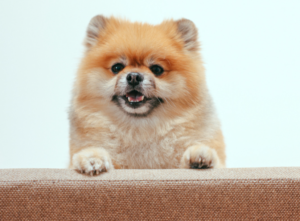
Why Does My Dog Keep Hiccuping?
Occasional hiccups are normal in dogs, but frequent or long-lasting hiccups can mean eating too fast, gas-forming foods, acid reflux, a respiratory infection, or a gut problem. Use a slow-feed bowl and small frequent meals, avoid strenuous play right after eating, and see a vet if hiccups come with appetite loss, lethargy, pain, vomiting, or a dry cough.

What Causes Cracked Paw Pads in Dogs?
Cracked paw pads usually come from too much running on rough ground, excess weight, very hot or cold dry air, or a mite infection (mange) that makes the dog lick and scrub the area raw. Trim the fur, clean and disinfect the pad, apply an antimicrobial ointment, and keep it moisturized — and treat any underlying mites.

Symptoms of Dementia in Cats (Feline Cognitive Dysfunction)
Common signs of feline dementia include memory loss, behavior changes, social withdrawal, altered vocalization, poor grooming and litter habits, declining senses, appetite or weight shifts, and disorientation. A vet visit is needed for diagnosis; while there is no cure, medication, diet, and enrichment can ease the symptoms.

When Does a Dog Enter Old Age?
Most dogs are considered seniors after about age 7, though the exact timing varies by breed, size, and genetics — large breeds often age around 7–8, small breeds closer to 10. Senior dogs need tailored diet, joint care, dental attention, gentle exercise, and regular checkups.